No Results Found
The page you requested could not be found. Try refining your search, or use the navigation above to locate the post.
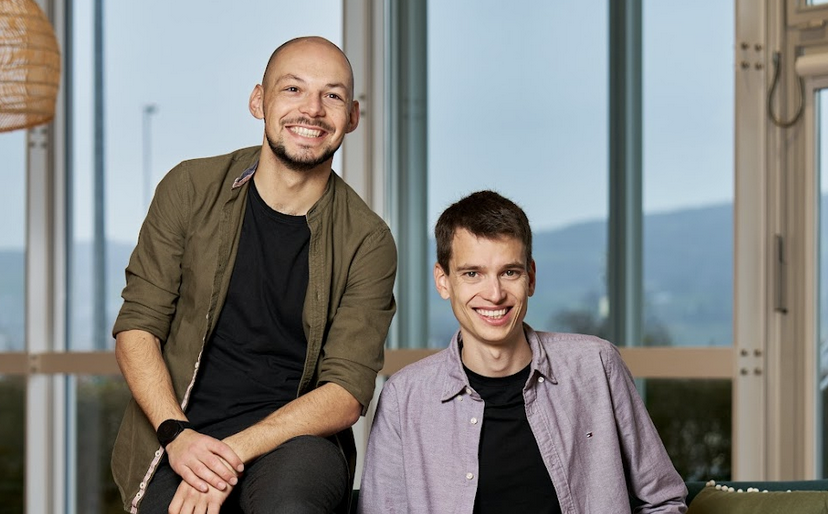
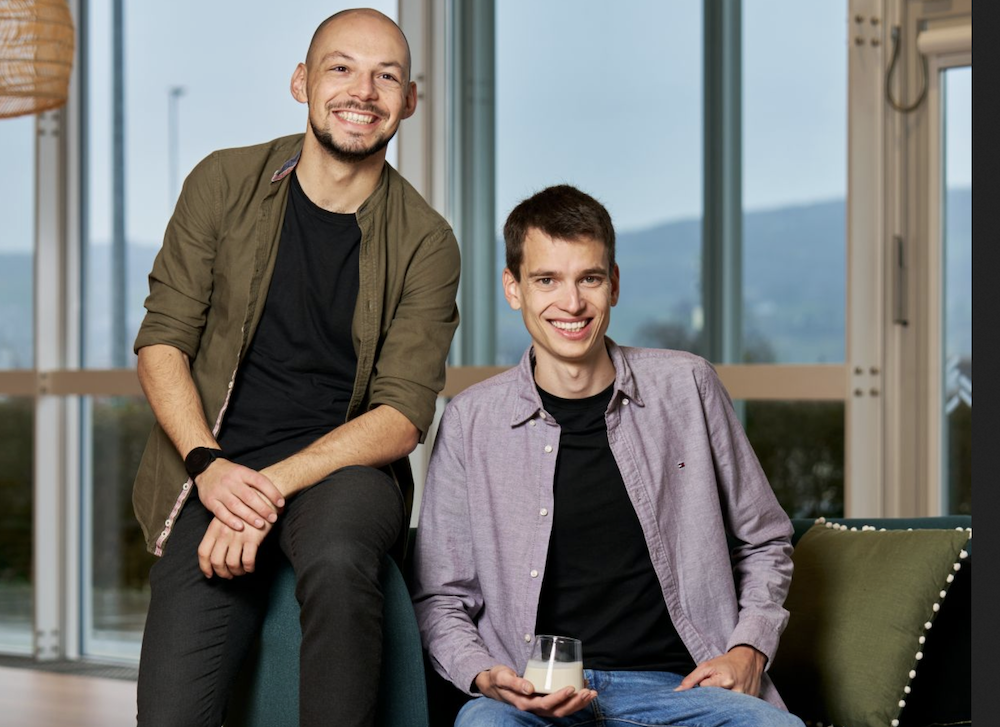
catchfree crafts seafood products from plants, including mushroom protein and rice, using a minimal processing method developed over the past three years. Co-founders Eduard Müller and Severin Eder were inspired to develop their solution after discovering 90% of the world’s oceans are overfished.
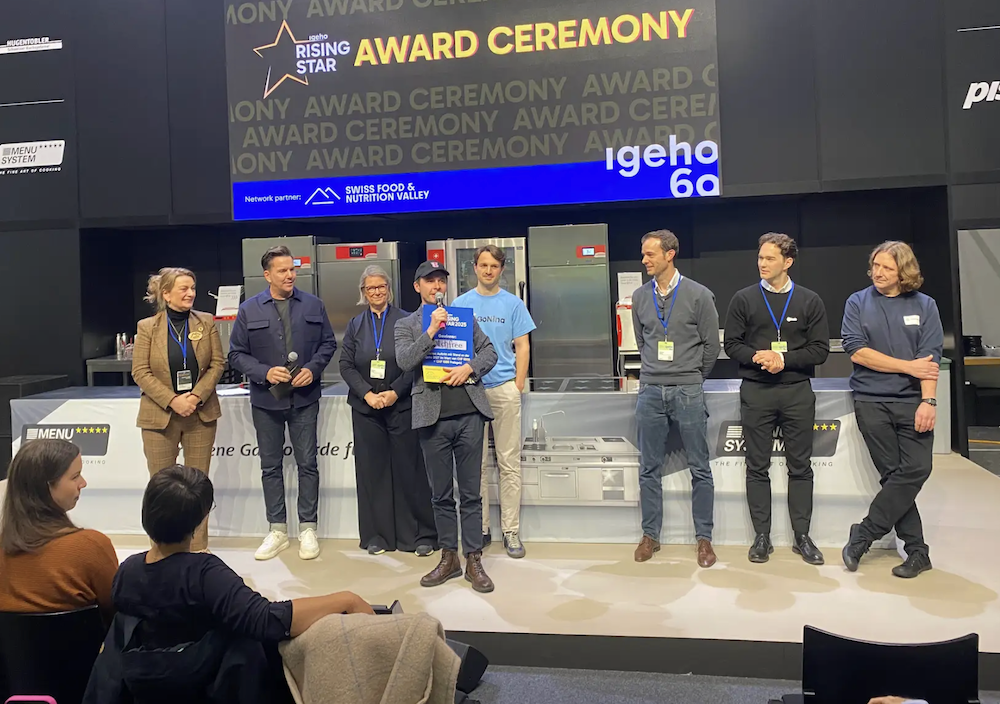
Accepting the award, Co-founder Eduard Müller said, ‘We’re thrilled to have won the Igeho Rising Star 2025 Award – it’s a real testament to our hard work over the past few years. Winning this award will help us expand our reach to offer tasty, affordable tuna, salmon, fish fingers and fish bites alternatives in Germany and other international markets.’
Organisers SFNV and Igeho congratulated all finalists – Circunis, Foodflows, GoNina and Yumame Foods – for their standout innovations.
Each company pitched its solution to a live audience before fielding questions from an expert jury featuring representatives from Planted, FHNW, Swiss Food Research, Gottlieb Duttweiler Institute, ZFV Group and Alpine chef, Rebecca Clopath.
Christina Senn-Jakobsen, CEO of Swiss Food & Nutrition Valley said, “The hospitality sector plays a very important role in food system transformation. The Igeho Rising Star Award offers startups a chance to showcase their innovations at Switzerland’s leading platform for hospitality, allowing them to connect with potential partners and secure the funding they need to grow. Congratulations to catchfree and all the finalists.”
Igeho Brand Director, Benjamin Eulau, said, “We’re thrilled to announce the winner of this year’s Igeho Rising Star Award. All five finalists demonstrated innovative solutions to some of the food service and hospitality industry’s biggest challenges. I can’t wait to see how these promising startups’ innovations scale and drive impact.”
Now in its second edition, the Igeho Rising Stars Award was launched to celebrate and support promising founders and startups in the hospitality sector. All startups founded after 2020 and registered in Switzerland or Liechtenstein are able to participate. All 15 shortlisted startups were also invited to exhibit at the Igeho 2025, the largest hospitality platform in Switzerland.
Swiss Food & Nutrition Valley (SFNV) is a purpose-driven not-for-profit association, founded in 2020. It brings together the Swiss agrifood ecosystem to pioneer future-proof food systems that are good for the planet, good for people, and good for the economy.
Today, SFNV represents more than 150 partners across Switzerland, from large enterprises, retailers, and academic institutions to cantons, SMEs and startups.
Find out more at: https://staging.swissfoodnutritionvalley.com/
Igeho is considered the most important international industry platform for hotels, catering, take-away and care in Switzerland. As a live marketing platform, Igeho offers the hospitality industry a comprehensive overview of the market, interesting networking opportunities and new inspiration on all aspects of hospitality. The first edition of Igeho took place in November 1965 in Basel – at that time still under the name “Internationale Fachmesse für Gemeinschaftsverpflegung”. Since its inception, the trade fair has been held biennially in Basel, with the exception of 2021 due to the Covid pandemic. Communal catering continues to play an important role, but the hotel, restaurant and take-away sectors were also added over the years. Today, Igeho is the largest meeting place for the hospitality industry in Switzerland.
Find out more at: www.igeho.ch
The page you requested could not be found. Try refining your search, or use the navigation above to locate the post.
The report reveals that the Swiss FoodTech startup ecosystem has grown by 63% since the last edition in 2021, with many companies developing innovations in the areas of novel ingredients, smart farming, precision nutrition and waste management.
It also shares the three factors that have driven Switzerland’s success as a food nation so far, four global trends shaping the food market today, insights from eight leading food innovation experts and three emerging trends set to drive food innovation by 2030.
Commenting on the report, Christina Senn-Jakobsen, CEO of Swiss Food & Nutrition Valley said, “It takes an ecosystem to raise a company, just as it takes a nation to create an Olympian. This report captures a snapshot of the innovators, entrepreneurs, and experts working together to build a more future-proof food system, as well as exploring some exciting trends that will define the way we eat in 2030.”
“We can’t change the world alone. Every innovation begins with people who share the same dream,” said Giulio Busoni, Partner at Porsche Consulting. “This report offers a glimpse into a future where science, entrepreneurship, and passion come together to shape a smarter, more human, and more sustainable food ecosystem.”
The report was teased at Swiss Food & Nutrition Valley’s anniversary celebration earlier this month, marking five years of cross-sector collaboration to accelerate sustainable food innovation. The team took the opportunity to connect with their network of 150+ partners from across the Swiss value chain – from large enterprises, retailers, and academic institutions to cantons, SMEs and startups.
The Swiss FoodTech Ecosystem Report 2025 proves that Switzerland may be small in size, but it continues to demonstrate how collective action can accelerate innovation.
Swiss Food & Nutrition Valley (SFNV) is a purpose-driven not-for-profit association, founded in 2020. It brings together the Swiss agrifood ecosystem to pioneer future-proof food systems that are good for the planet, good for people, and good for the economy.
Today, SFNV represents more than 150 partners across Switzerland, from large enterprises, retailers, and academic institutions to cantons, SMEs and startups. We’ve built an open and trusting culture, grounded in the core values of courage, commitment, and collaboration, and driven by purposeful impact.
Porsche Consulting is a leader in strategic and operational consulting. Founded in 1994 following Porsche’s successful transformation into one of the most profitable and admired luxury sports car manufacturers.
Today, its experts support companies around the world in strategic transformation and performance management. The consultants operate in various sectors ranging from mobility to pharmaceuticals, industrial goods to financial services, energy to aerospace, construction to consumer goods. The main areas of expertise are strategy and organization, brand and sales, development and technology, as well as operational excellence. Porsche Consulting has offices in Germany, Italy, France, China, Brazil, and the United States.
The page you requested could not be found. Try refining your search, or use the navigation above to locate the post.
The application phase for the 2025 Igeho Rising Star Award closed on 31 January, attracting numerous submissions from food tech startups. Each entry was carefully reviewed by the Igeho team based on innovation and use of technology, sustainability and environmental impact, as well as business model and scalability.
Fifteen Swiss startups have been selected to showcase their companies at Igeho 2025, where they will present their innovations to the audience in Basel this November. Benjamin Eulau, Igeho’s Brand Director, shared his excitement: ‘We saw some truly impressive innovations among the applications. Many of these startups have the potential to address long-term challenges in the food service industry.’
Christina Senn-Jakobsen, CEO of Swiss Food & Nutrition Valley, was also impressed by the applications submitted: “We were thrilled to hear that so many start-ups have applied to be part of the Igeho Rising Star Award 2025. From sustainable alternatives that offer consumers more diverse choices to tech-driven solutions that share the impact of what we put on our plates – so many Swiss ecosystem players are working tirelessly to create solutions that will make our food service sector more future-proof. I’m excited to watch them grow and scale through their participation in this competition.”
The public vote to determine which five startups will compete for the 2025 Igeho Rising Star Award in the grand finale of Igeho 2025 opens today. Until 30 May, professionals from the hotel, restaurant, catering, and care industries can cast their votes for the startups they want to see in the final.
The selected startups are:
As Switzerland’s leading international hospitality industry platform, Igeho is committed to fostering innovation. With the 2025 Igeho Rising Star Award, it provides emerging companies in the hospitality sector with a valuable opportunity to showcase their businesses, raise awareness of their innovations, and connect with industry professionals.
In collaboration with Swiss Food & Nutrition Valley, Igeho aims to use this award to drive innovation by offering startups a platform and facilitating networking opportunities. ‘We see it as our duty to give startups the chance to present themselves and step into the spotlight,’ says Benjamin Eulau, Igeho’s Brand Director. ‘The hospitality industry and our food system depend on long-term innovation, and we’re proud to support that.’
The grand finale of the 2025 Igeho Rising Star Award will take place at Igeho 2025 in Basel, where the five finalists will compete for the title, along with cash and non-cash prizes. All holders of valid day tickets are welcome to attend and be part of the live audience.
Igeho is the most important international industry platform for the hotel, catering, take-away and care sectors in Switzerland. As a live marketing platform it offers the hiospitality branch a comprehensive market overview, interesting networking opportunities and new impulses around the topic of hospitality. The wide range of products and services will be complemented by an exciting supporting programme on current trends and the most important topics in the hospitality industry. The next Igeho will take place at Messe Basel from November 15 to 19, 2025.
www.igeho.ch
The page you requested could not be found. Try refining your search, or use the navigation above to locate the post.
Controlled environment agriculture (CEA) – an advanced farming method that optimises plant growth by regulating conditions in enclosed systems – is one way innovators are tackling this issue.
At our Impact Forum: Controlled Environment Agriculture on 11 March 2025, we invited three expert speakers to discuss the current situation in conversation with Valley CEO Christina Senn-Jakobsen. Here’s what we learned…
Fabian from Agroscope explained his research on cultivating single-cell microalgae as an energy-efficient and sustainable protein alternative. He noted that while traditional food systems rely on animal- and plant-based products, microorganisms – specifically bacteria – represent the largest and most diverse biomass on Earth, yet are largely untapped for food production.
As microalgae can be cultivated with minimal environmental impact, they offer a genuinely superior alternative to conventional agriculture. They can be grown on rooftops or in industrial /agricultural spaces, require no arable land, no synthetic pesticides and significantly less water.
From a regulatory perspective, Fabian noted that only four species of microalgae are currently approved for human consumption, though more species are under review. He also acknowledged the slow approvals process is limiting the industry’s ability to fully exploit the potential of microalgae.
Fabian sees Switzerland as a “living lab” for food system innovation, suggesting that the country could develop and refine CEA technologies before scaling them globally to meet the needs of a growing population.
Bruno highlighted the challenges faced by traditional agriculture, including unpredictable weather patterns, lack of resources and labour, and disruptions from global events like COVID-19 and war. In light of this, Bruno explained the benefits of indoor farming: less reliance on external climate conditions, optimised resources and automating some of the labour involved. He also touched upon the importance of data-driven farming and how AI and IoT can help optimize lighting, temperature, and resource use.
CleanGreens uses an innovative aeroponics system, where plant roots are suspended in the air and irrigated by a robot, resulting in higher yields compared to traditional farming and other hydroponics. The system has already seen success in France and Kuwait, with plans to expand further into the Middle East, North America and beyond.
Bruno also acknowledged the high energy consumption and costs associated with CEA. He stressed that scalability will depend on innovations in energy efficiency, such as integrating renewable energy into CEA systems. He emphasised the need for continued investment and collaboration, and argued that CEA should not be seen as a replacement for traditional farming, but rather a complementary solution for urban food production.
Martino emphasised that while many discussions focus on the technical aspects of CEA, it is also important to understand how customers perceive indoor farming and whether they will accept new methods of food production.
Martino pointed out that public awareness and trust in CEA are still evolving. Many consumers value sustainability and local food production, but may harbour misconceptions about indoor-grown produce or lack knowledge about its safety. He stressed that educating consumers on the benefits of sustainable farming will be essential to drive adoption.
From a technical perspective, he shared how UMAMI’s aquaponics-based indoor farming system integrates fish, shrimp, and other aquatic organisms to create a closed-loop ecosystem. This system naturally fertilizes plants without synthetic fertilizers, significantly reducing waste and water usage.
Martino concluded by reinforcing that while technology is key, market acceptance, storytelling, and branding will play a major role in the success of CEA in the food industry. The future of indoor farming will depend not only on technical improvements but also on how well the industry communicates its value to the public.
The page you requested could not be found. Try refining your search, or use the navigation above to locate the post.
In case you missed it, side stream valorisation is all about finding new ways to transform by-products from food processing waste streams into new, high-value products.
State of Play attendees were treated to fascinating insights on the topic from our speakers, enjoyed an expert panel discussion and Q&A, and got the chance to explore topics more deeply in smaller discussion groups. There was also plenty of time for networking and sampling some delicious upcycled products in person.
Linda Grieder-Kern of Rethink Resource, kicked things off with a discussion on the role of side streams in the circular economy – and in Switzerland. Next we heard from Nicolas Dorsaz of Bühler Group about the role of technology and how it is making side stream valorisation appeal to their customers.
We also took a whirlwind tour of the current market from several innovators in the space – from the applications of spent brewers’ grain with William Beiskjayer from UpGrain and Brauerei Locher’s Aurèle Meyer, to the potential of okara, a byproduct of tofu production, via Flavio Hagenbuch of Luya. Fabian Weinländer from Blattmann Schweiz also delved into the opportunities of potato peel and wastewater. A presentation from Tiffany Abitbol, from EPFL’s Institute of Materials, helped to summarise some of the varied technologies for valorising side streams.
In panel discussions, a Q&A session and deep dives, we also heard from Clemens Rüttimann from Food Hub Wädenswil, Doris Erne from Wheycation (upcycled whey products) and Karin Friedli from Circunis (an online food platform for surplus waste).
Thanks to all of the experts and everyone who joined us!
The session concluded with a Q&A session which covered consumer perception, technological challenges, funding gaps, and collaboration in sidestream upcycling. And one theme emerged again and again: Switzerland as a side stream leader.
This was a major theme throughout the event, emphasized by multiple speakers and in the panel discussion. Switzerland already has strong research institutions, food tech startups, and sustainable agriculture. And here at the Valley, we are working on developing a national ecosystem for upcycling. With improved coordination, Switzerland could become a global hub for side stream innovation.
Huge thanks to Bern Economic Development Agency for supporting this event!
Our next State of Play event on Regenerative Farming will take place on the 4th June – and remember each Valley partner can benefit from two complimentary tickets.
The page you requested could not be found. Try refining your search, or use the navigation above to locate the post.
I’m thrilled to help coordinate efforts and foster a more sustainable ecosystem around nutrition. Science thrives when it breaks out of silos. It allows us to draw inspiration from society’s needs and find new solutions to better address them.
Switzerland is the ideal hub for innovation in healthy and sustainable food. With a strong ecosystem of start-ups, SMEs, and multinationals in biotech and foodtech, we are well-positioned to drive this mission forward. To sustain our leadership, coordination and collaboration through the SFNV will be essential. It has the potential to serve as a catalyst and evolve into a globally recognised center of excellence.
Our role is to advance knowledge and to provide answers and solutions to emerging scientific and societal questions. Currently, I see two key global challenges that we need to tackle: we need a more sustainable food ecosystem from farm to fork, as well as new knowledge to improve the aging experience and address metabolic health challenges.
The role of science is fundamental in this regard. I believe that science may become increasingly important in understanding the processes involved in food processing and assimilation. Food packaging is another example. EPFL researchers are currently working on creating innovative solutions that are sustainable, economically viable, and increasingly accepted by buyers.
As this is not my field of research, I may not have the full picture. But I believe that there are a few innovations that will have a significant impact on society.
First, science and technology can provide solutions to address climate change. On one hand, science can provide pathways to improve soil health and help agricultural practices adapt to the changing climate conditions. On the other hand, bioengineering can help us find new sources of high-quality plant protein and reduce our dependence on animal protein, reducing greenhouse gas emissions. Finally, there is the concept of precision nutrition or personalised nutrition. Analysing an individual’s DNA, microbiome, and metabolic response to specific foods can offer valuable insights for identifying the most suitable diet to prevent or even treat disease.
Some of my fondest childhood memories of food are from the summer – picking pears and peaches straight from the trees at home and savoring the tomatoes my grandfather grew. I rarely find this richness in taste today. Is it because of the changes in agriculture practices? For me, sustainable food means fostering sustainable and resilient soils and sustainable agricultural practices across the globe to ensure that we all have access to healthy, enjoyable food every day.
Let’s work together to shape a more sustainable, reliable and healthy food ecosystem! I truly believe that everyone can make a significant contribution.
On the EPFL campus, we do whatever it takes to support everyone who is willing to create a better future: from meatless meals and washable lunch boxes to participatory gardens. And it works: in just a few years, collaborators and students have changed their habits – and they now prompt us to do even more to improve the quality and impact of the food we buy and consume.
The page you requested could not be found. Try refining your search, or use the navigation above to locate the post.