No Results Found
The page you requested could not be found. Try refining your search, or use the navigation above to locate the post.
At our Impact Forum: Nutrition and Mental Health on 10 June 2025 we were joined by two expert speakers to discuss how the field looks today, chaired by Valley CEO Christina Senn-Jakobsen. Here’s what we learned…
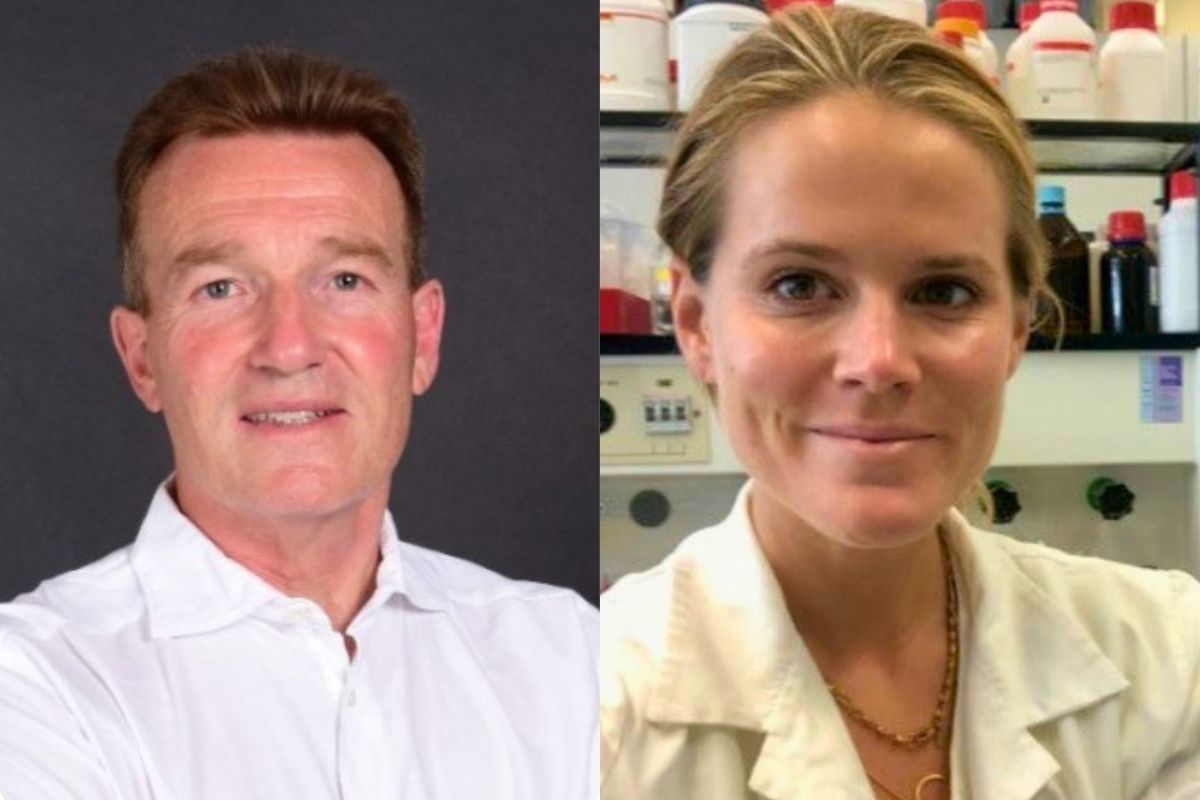
Teresa credits her early curiosity around food as instrumental in shaping her understanding of cognitive performance and mental resilience. This led to her research work – currently as a Neuroscience Fellow at MIT – and passion for translating this work into everyday impact. Hence her startup FoodFor, which makes functional drinks for Energy, Focus, Calm and Mood.
The human brain consumes approximately 25% of dietary energy, yet unlike the liver or muscles, it cannot store energy. It requires a constant supply of key nutrients to maintain cognitive and emotional functions. Teresa stressed that mental wellbeing is closely tied to the production of neurotransmitters, which are directly affected by diet.
She highlighted four key neurochemicals: serotonin for mood and appetite regulation, dopamine for focus and motivation, GABA for anxiety reduction, and ATP, the energy molecule that powers brain activity. “These neurotransmitters don’t make themselves. They rely on the vitamins, minerals, and amino acids that you provide through your diet,” Teresa shared.
“I know that a lot of people are not big fans of supplementation. But in my world, it’s not just helpful – it’s often necessary.”
A large Swiss study revealed 59% of primary care patients were deficient in vitamin D and around 40% had insufficient levels of vitamin A and zinc. Teresa emphasised these were not marginalised populations but typical individuals eating everyday diets. These can all affect mood, and supplementation is often necessary to bridge modern dietary gaps. Teresa acknowledged the skepticism around supplements but advocated strongly for their use. She argued that even well-intentioned diets struggle to meet nutritional needs due to food system limitations. Her advice? Seek out EU-sourced and EU-produced supplements for stricter regulation and higher quality standards.
“There’s a very big disconnect between what a patient experiences and how it’s being diagnosed.”
Teresa criticised the current diagnostic models in psychiatry, citing a study showing patients with the same symptoms received different diagnoses across the US, Germany, and India. She called for a shift to preventive tools, such as biomarker tracking, like those her co-panelist Roland is developing. She concluded with a convincing call for better public awareness and systemic change to bring food and mental health into mainstream medical and political attention.
Roland began with a deeply personal account: he and his wife pivoted their careers in response to challenges surrounding their son’s health. It was this experience that led to the founding of HEALTHY-LONGER, a health platform offering personalised nutrition assessments and supplement recommendations.
“What your food ate matters. If it’s not in the soil, it’s not on your plate, and it won’t reach your brain.”
Echoing Teresa, Roland pointed out that modern agricultural practices – especially postwar industrial farming – have severely degraded soil health, stripping fruits and vegetables of essential nutrients.As a result, even a diet that appears balanced may not provide sufficient micronutrients to support mental well-being.
HEALTHY-LONGER’s offering includes at-home assessments, personalised health reports and tailored dietary and supplement recommendations. These reports are designed to be actionable, offering specific guidance rather than generic advice: “You can go online, order an assessment, and get recommendations tailored to your body’s needs.” Roland also issued a warning on supplement quality: he cautioned against cheap, synthetic supplements, often found online and advocated for natural, well-regulated alternatives backed by proper testing.
“There’s a big opportunity for the food sector to step into mental and preventive health care.”
Roland agreed with Teresa’s remarks that mental health remains overlooked in public discourse and healthcare spending, and stressed that food businesses could and should play a proactive role in preventive mental health care. HEALTHY-LONGER supports the idea of greater political engagement and education campaigns. Roland positioned his venture as not just a health business, but a movement toward holistic, food-based well-being.
Read our previous Impact Digests.
The page you requested could not be found. Try refining your search, or use the navigation above to locate the post.
Controlled environment agriculture (CEA) – an advanced farming method that optimises plant growth by regulating conditions in enclosed systems – is one way innovators are tackling this issue.
At our Impact Forum: Controlled Environment Agriculture on 11 March 2025, we invited three expert speakers to discuss the current situation in conversation with Valley CEO Christina Senn-Jakobsen. Here’s what we learned…
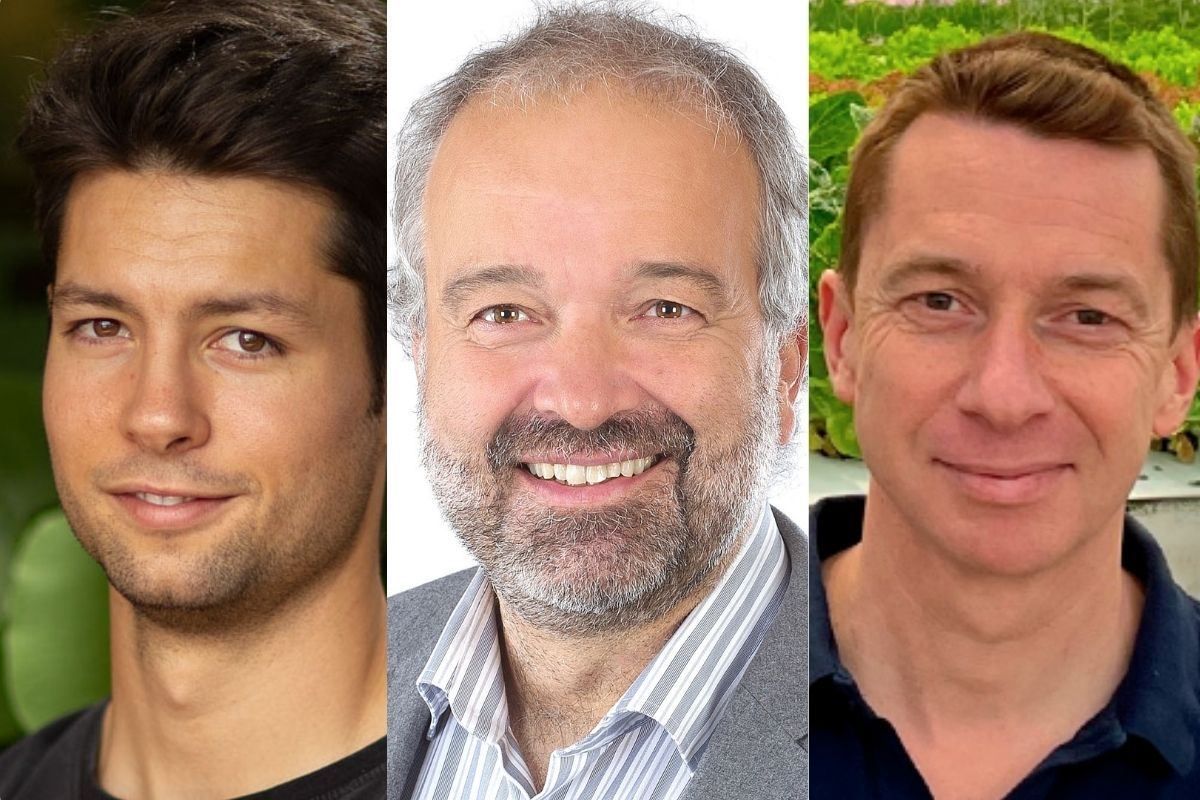
Fabian from Agroscope explained his research on cultivating single-cell microalgae as an energy-efficient and sustainable protein alternative. He noted that while traditional food systems rely on animal- and plant-based products, microorganisms – specifically bacteria – represent the largest and most diverse biomass on Earth, yet are largely untapped for food production.
As microalgae can be cultivated with minimal environmental impact, they offer a genuinely superior alternative to conventional agriculture. They can be grown on rooftops or in industrial /agricultural spaces, require no arable land, no synthetic pesticides and significantly less water.
From a regulatory perspective, Fabian noted that only four species of microalgae are currently approved for human consumption, though more species are under review. He also acknowledged the slow approvals process is limiting the industry’s ability to fully exploit the potential of microalgae.
Fabian sees Switzerland as a “living lab” for food system innovation, suggesting that the country could develop and refine CEA technologies before scaling them globally to meet the needs of a growing population.
Bruno highlighted the challenges faced by traditional agriculture, including unpredictable weather patterns, lack of resources and labour, and disruptions from global events like COVID-19 and war. In light of this, Bruno explained the benefits of indoor farming: less reliance on external climate conditions, optimised resources and automating some of the labour involved. He also touched upon the importance of data-driven farming and how AI and IoT can help optimize lighting, temperature, and resource use.
CleanGreens uses an innovative aeroponics system, where plant roots are suspended in the air and irrigated by a robot, resulting in higher yields compared to traditional farming and other hydroponics. The system has already seen success in France and Kuwait, with plans to expand further into the Middle East, North America and beyond.
Bruno also acknowledged the high energy consumption and costs associated with CEA. He stressed that scalability will depend on innovations in energy efficiency, such as integrating renewable energy into CEA systems. He emphasised the need for continued investment and collaboration, and argued that CEA should not be seen as a replacement for traditional farming, but rather a complementary solution for urban food production.
Martino emphasised that while many discussions focus on the technical aspects of CEA, it is also important to understand how customers perceive indoor farming and whether they will accept new methods of food production.
Martino pointed out that public awareness and trust in CEA are still evolving. Many consumers value sustainability and local food production, but may harbour misconceptions about indoor-grown produce or lack knowledge about its safety. He stressed that educating consumers on the benefits of sustainable farming will be essential to drive adoption.
From a technical perspective, he shared how UMAMI’s aquaponics-based indoor farming system integrates fish, shrimp, and other aquatic organisms to create a closed-loop ecosystem. This system naturally fertilizes plants without synthetic fertilizers, significantly reducing waste and water usage.
Martino concluded by reinforcing that while technology is key, market acceptance, storytelling, and branding will play a major role in the success of CEA in the food industry. The future of indoor farming will depend not only on technical improvements but also on how well the industry communicates its value to the public.
The page you requested could not be found. Try refining your search, or use the navigation above to locate the post.
Cultured food could provide protein products that taste and feel like the animal-based original, but with a reduced environmental and animal welfare impact and improved food security. However, barriers to scaling cultured foods remain, showing space for ongoing ecosystem collaboration and discussion.
Following our State of Play: Cultured Foods 2.0 event on 4 December 2024, we invited three expert speakers to discuss the current legislative situation surrounding cultured foods and discover how companies can help accelerate progress. Read on to discover what we learnt.
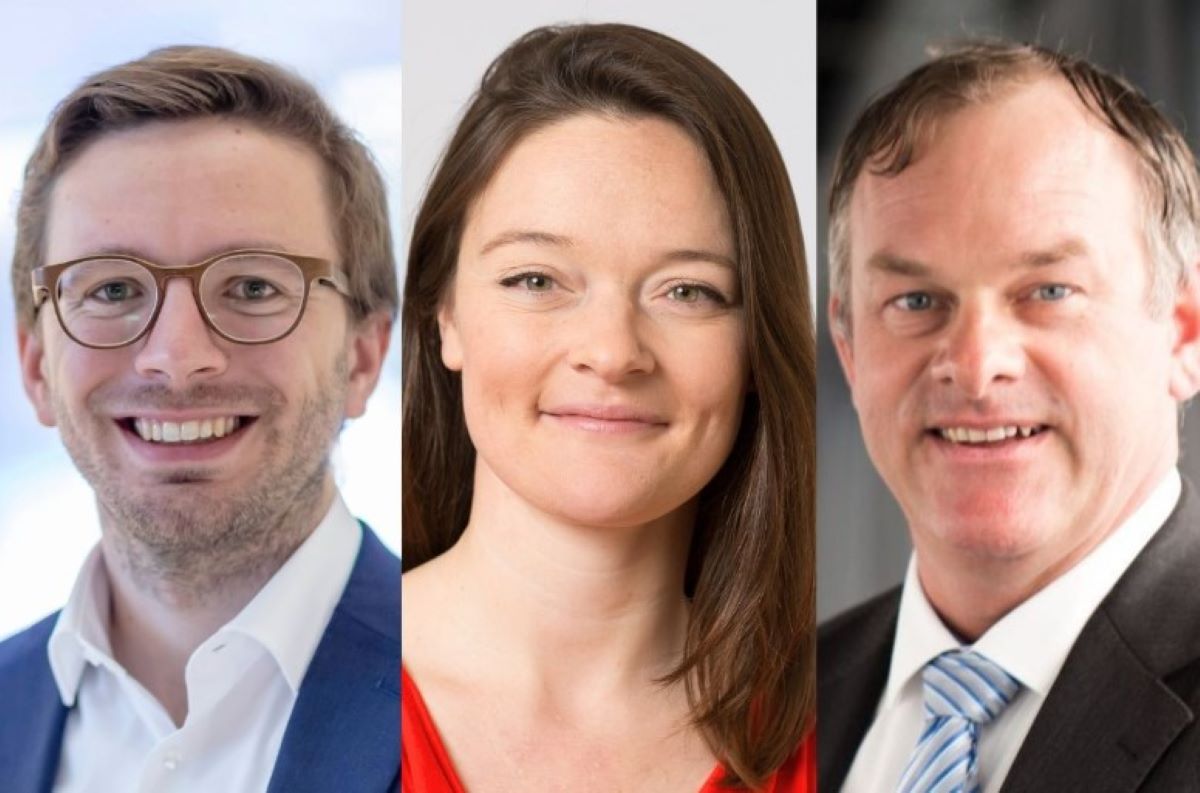
Presented by Yannick Gaechter, CEO of The Cultured Hub
Yannick discussed cultured foods as a promising solution to address pressing global sustainability and food system challenges by enabling sustainable and efficient food production while preserving cultural and community values.
He also noted that Switzerland offers robust research institutions, government support, and expertise in innovation. This makes it uniquely positioned to lead in the cultured foods space. Continued advancements in cultured food technologies could further cement Switzerland’s role as an “innovation nation”.
Collaboration between industries, academia, and governments is key to addressing sustainability and scaling challenges in cultured foods. The Cultured Hub, a joint initiative by Migros, Givaudan, and Bühler Group, provides startups and corporations with resources, facilities, and services to scale up cultured food production efficiently while retaining intellectual property and equity.
Yannick concluded by inviting stakeholders to work together to position Switzerland as a global leader in sustainable and innovative food systems.
Presented by Ralph Langholz, Vice President of the Swiss Protein Association
Ralph discussed the Swiss Protein Association’s role in fostering a favourable political and regulatory environment for emerging innovative food categories such as cultivated meat and plant-based products. Switzerland shows strong potential as a hub for innovation in these areas based on its strong ecosystem and established distribution channels.
Regarding the regulatory landscape, Ralph provided an overview of the global progress in authorizing novel and cell-based foods. He highlighted that while countries like Israel, the US, and Singapore have authorized such products, Switzerland and several others are still processing applications.
Switzerland’s regulatory approach, closely modelled after the European Union’s, presents advantages such as direct interaction with local authorities. Still, approvals granted in Switzerland do not automatically extend to the EU market, unlike the reverse.
Ralph further explained the constraints on industry tastings in Switzerland. While commercial tastings remain prohibited without formal authorization, private tastings are allowed in non-commercial settings.
He emphasized the importance of submitting well-structured applications aligned with EU guidelines. Ralph noted that products involving GMOs might face additional hurdles, requiring separate authorization if the GMO components are not already listed on the EU’s approved list.
Ralph also addressed the potential implications of ongoing talks between Switzerland and the EU, suggesting that future agreements could unify the novel food authorization process under EU jurisdiction. For now, Switzerland remains a viable potential initial market for novel foods due to its manageable size and diverse linguistic regions.
Slides provided by Carlotte Lucas, Head of Industry at the Good Food Institute Europe
Presented by Christina Senn-Jakobsen, CEO at SFNV due to illness.
The cultured foods sector continues to expand, marked by increasing numbers of companies, innovations, and public funding. Collaboration among stakeholders, including trade associations and ecosystem builders like the Swiss Cultured Hub, continues to be crucial for progress.
Governments worldwide are showing mixed reactions to cultured foods. While some governments (for example, the UK, Israel, Singapore) more actively support the industry due to its potential for food security and innovation, some others (e.g., Italy and specific US states) have moved to ban or at least heavily regulate cultured foods. In Switzerland, authorities have emphasized a rigorous novel food approval process.
Market readiness is advancing, with the first products approved for sale in markets like Israel, US, Hong Kong, and Singapore. Consumer attitudes show growing concerns over excessive meat consumption and its impact on health and the environment, and openness to trying cultured meat. Meanwhile, technological advancements and infrastructure development are key to helping scale production from lab to commercial levels.
The Swiss Cultured Hub and organizations like the Good Food Institute Europe (GFI) are working to address these hurdles. Advocacy, dialogue, and regulatory clarity remain vital to overcoming resistance and ensuring safe, sustainable innovation. Ultimately, a unified focus and collaboration are essential for the industry’s success.
Dive into the full report from our State of Play: Cultured Foods event here.
Or join us for our next Impact Forums on Urban Farming on 11 February or Valorisation of sidestreams on 7 April.
The page you requested could not be found. Try refining your search, or use the navigation above to locate the post.
Building on a fascinating discussion as part of Food Day @ETH, on the 11th of November, we brought together four expert speakers to discuss the complexities of food processing and its impacts on health and the environment. Read on to discover what we learnt.
Key Takeaways
We need more clarity: There is no clear legal definition of UPFs and the NOVA classification system has significant limitations. The definition and wording should also reflect the focus of the discussion. If we’re talking about health, we should speak about “unhealthy processed foods”. If we’re talking about the amount of energy required to create a product, we should talk about “energy intensive processed foods”.
We must view a product’s impact holistically: To drive better social, environmental, and economic outcomes, we need to balance multiple goals along the value chain, including access to safe and nutritious food, efficiency in resource management, and equitable livelihoods.
We need innovation to drive healthier formulation: Reformulating processed food can be a powerful lever for creating healthier food options – and industry can be a key part of the solution through responsible product development.
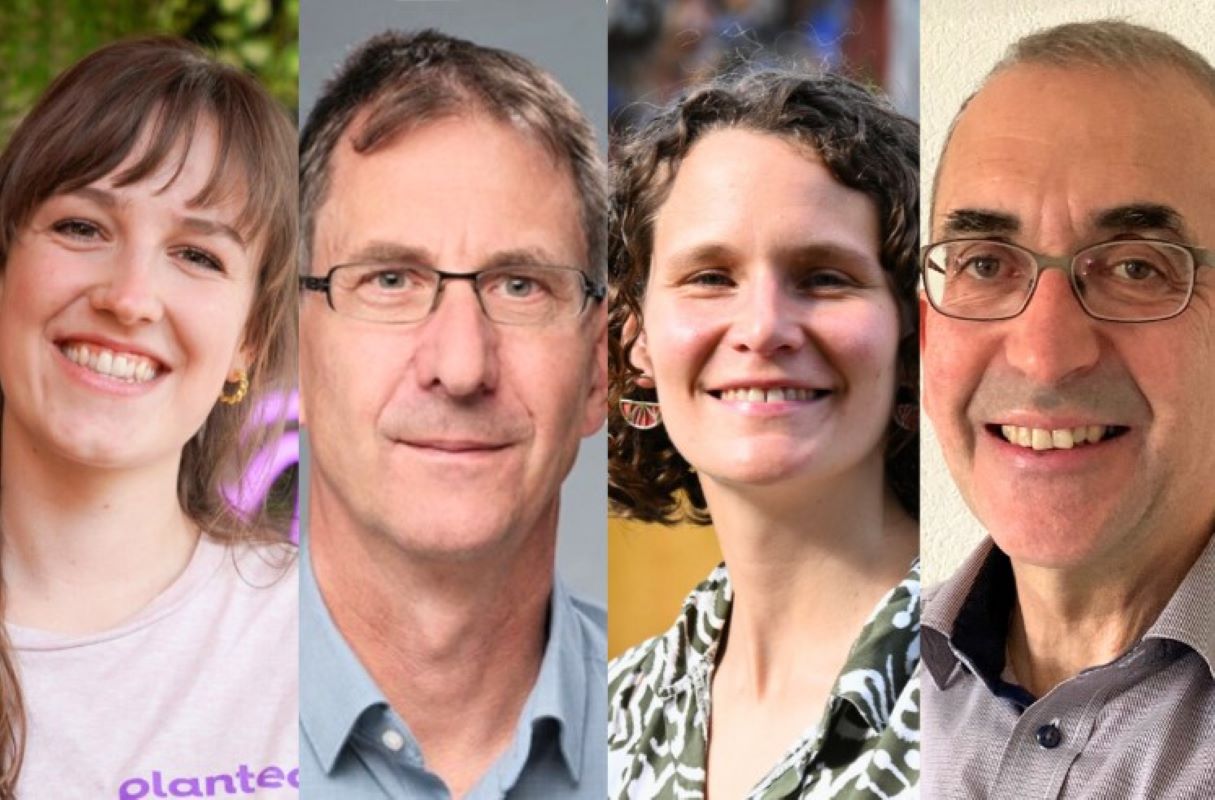
Martin discussed food processing in the context of food systems, emphasising its role in value chains. He highlighted the primary goals of food processing: food safety, preservation, sensory aspects, nutrition and health, sustainability, and food diversity.
He also briefly discussed the NOVA classification system and its limitations, pointing out that ‘ultra-processed food’ is ill-defined, and the classification conflates composition, number of ingredients, and processing techniques. Many foods classified as “ultra-processed” are also characterized by high energy density, elevated levels of saturated fats, sodium, and/or sugars, while being low in dietary fiber, all of which are independently linked to negative health outcomes.
Martin also highlighted that collaboration between stakeholders is vital to address potential trade-offs based on systems perspectives, scientific data, and risk-benefit analysis.
Niels introduced the life cycle assessment (LCA) methodology, which considers the environmental impact of a product from ‘cradle to grave.’ All inputs and outputs are balanced according to the defined system boundaries and functional units. LCA is not an absolute measurement; it compares different situations and products.
When analysing food consumption, the level of food processing (e.g. for UPFs) is not a major factor when assessing its environmental impact. The most significant factor in an LCA is usually if the product is of animal origin, due to the environmental impact of agricultural production. Transport, packaging, food waste, processing, cooling, and preparation play a minor role.
Niels highlighted the importance of new policy measures to allow a broader acceptance of plant-based products.
Sophie discussed Planted’s approach to product development, highlighting their commitment to creating clean-label plant-based meats that are packed with protein, fiber and essential micronutrients such as Vitamin B12. She emphasised that Planted meats seamlessly fit into a healthy, balanced diet, challenging the negative reputation often associated with processed foods.
Sophie stressed that not all processed foods are created equal and that the formulation plays a crucial role in determining a product’s nutritional quality. She called for a differentiated approach from media and other opinion leaders when discussing highly processed foods. The current generalized perception often overlooks the nuances between products and their formulations. A more balanced perspective, based on facts rather than broad categorizations, is essential to help consumers understand the potential benefits of thoughtfully designed products in fostering both personal and environmental health, rather than grouping all processed foods together as “high in sugar, high in fat, and high in salt.”
She further highlighted the significant environmental benefits of Planted’s offerings compared to traditional animal meat with up to 97% Co2 emission savings and addressed the challenges of accurately classifying plant-based alternatives within the NOVA system.
Mélanie presented research results on meat and dairy alternatives’ nutritional and environmental impacts. She pointed out that while meat alternatives generally have lower environmental impacts, dairy alternatives may potentially have some negative impacts on both the environment (due to possible increase in water scarcity and freshwater eutrophication) and health (due to possible insufficient levels of calcium and iodine if the product isn’t fortified).
She highlighted that processing can improve the protein quality and bioavailability in soy-based meat alternatives and that there is no clear trend between processing and environmental impacts.
The event highlighted the complexity of defining and regulating UPFs and the need for consumer clarity when it comes to innovative products that do not fit neatly into the existing categories of the NOVA classification. By taking a more holistic view of the impacts of their products, food producers can optimise their formulations and offer consumers choices that make healthier and sustainable diets more accessible. Thanks to everyone who joined us!
The page you requested could not be found. Try refining your search, or use the navigation above to locate the post.