No Results Found
The page you requested could not be found. Try refining your search, or use the navigation above to locate the post.
At our Impact Forum: Nutrition and Mental Health on 10 June 2025 we were joined by two expert speakers to discuss how the field looks today, chaired by Valley CEO Christina Senn-Jakobsen. Here’s what we learned…
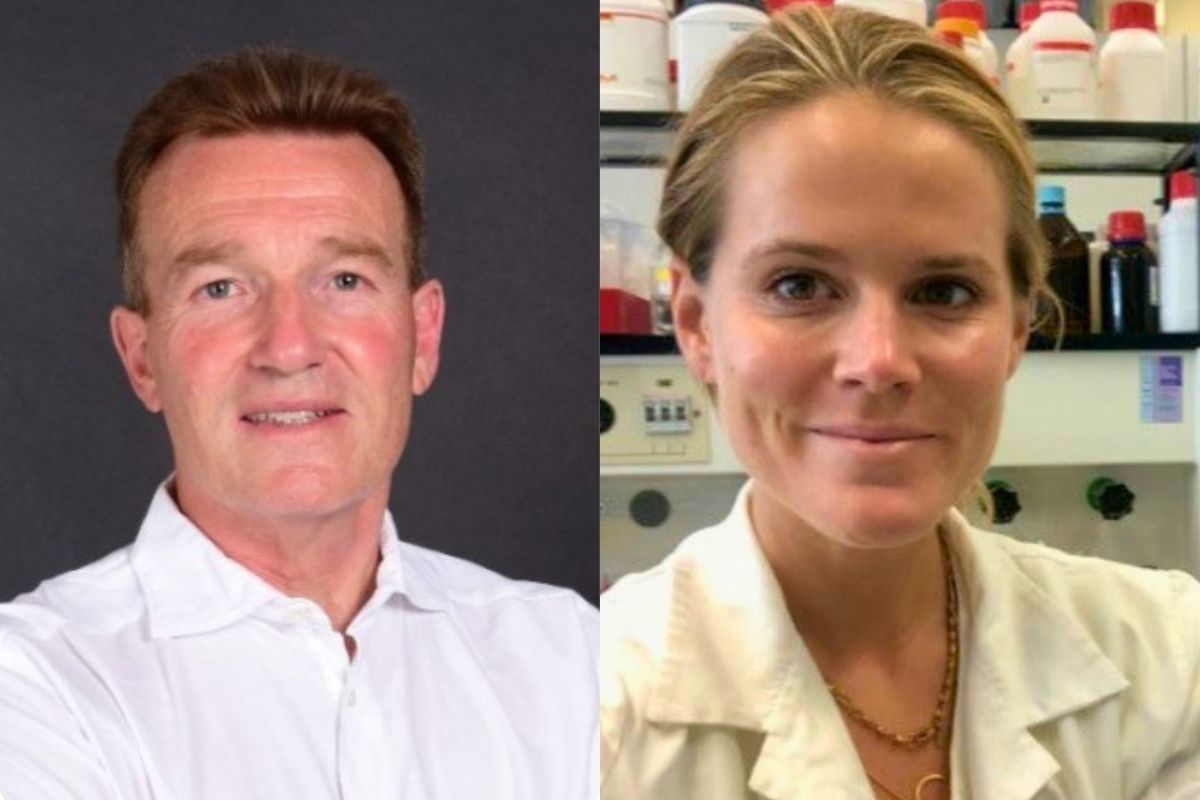
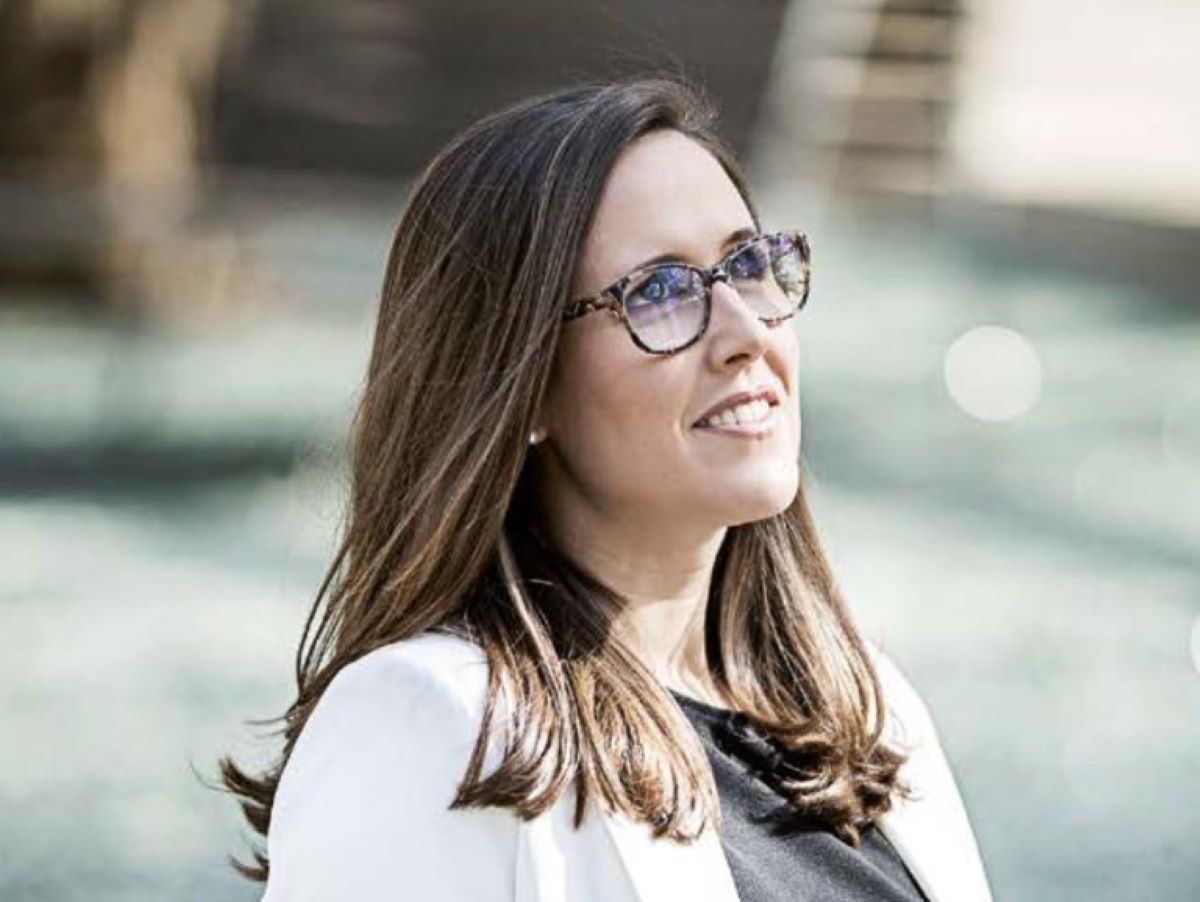
Teresa credits her early curiosity around food as instrumental in shaping her understanding of cognitive performance and mental resilience. This led to her research work – currently as a Neuroscience Fellow at MIT – and passion for translating this work into everyday impact. Hence her startup FoodFor, which makes functional drinks for Energy, Focus, Calm and Mood.
The human brain consumes approximately 25% of dietary energy, yet unlike the liver or muscles, it cannot store energy. It requires a constant supply of key nutrients to maintain cognitive and emotional functions. Teresa stressed that mental wellbeing is closely tied to the production of neurotransmitters, which are directly affected by diet.
She highlighted four key neurochemicals: serotonin for mood and appetite regulation, dopamine for focus and motivation, GABA for anxiety reduction, and ATP, the energy molecule that powers brain activity. “These neurotransmitters don’t make themselves. They rely on the vitamins, minerals, and amino acids that you provide through your diet,” Teresa shared.
“I know that a lot of people are not big fans of supplementation. But in my world, it’s not just helpful – it’s often necessary.”
A large Swiss study revealed 59% of primary care patients were deficient in vitamin D and around 40% had insufficient levels of vitamin A and zinc. Teresa emphasised these were not marginalised populations but typical individuals eating everyday diets. These can all affect mood, and supplementation is often necessary to bridge modern dietary gaps. Teresa acknowledged the skepticism around supplements but advocated strongly for their use. She argued that even well-intentioned diets struggle to meet nutritional needs due to food system limitations. Her advice? Seek out EU-sourced and EU-produced supplements for stricter regulation and higher quality standards.
“There’s a very big disconnect between what a patient experiences and how it’s being diagnosed.”
Teresa criticised the current diagnostic models in psychiatry, citing a study showing patients with the same symptoms received different diagnoses across the US, Germany, and India. She called for a shift to preventive tools, such as biomarker tracking, like those her co-panelist Roland is developing. She concluded with a convincing call for better public awareness and systemic change to bring food and mental health into mainstream medical and political attention.
Roland began with a deeply personal account: he and his wife pivoted their careers in response to challenges surrounding their son’s health. It was this experience that led to the founding of HEALTHY-LONGER, a health platform offering personalised nutrition assessments and supplement recommendations.
“What your food ate matters. If it’s not in the soil, it’s not on your plate, and it won’t reach your brain.”
Echoing Teresa, Roland pointed out that modern agricultural practices – especially postwar industrial farming – have severely degraded soil health, stripping fruits and vegetables of essential nutrients.As a result, even a diet that appears balanced may not provide sufficient micronutrients to support mental well-being.
HEALTHY-LONGER’s offering includes at-home assessments, personalised health reports and tailored dietary and supplement recommendations. These reports are designed to be actionable, offering specific guidance rather than generic advice: “You can go online, order an assessment, and get recommendations tailored to your body’s needs.” Roland also issued a warning on supplement quality: he cautioned against cheap, synthetic supplements, often found online and advocated for natural, well-regulated alternatives backed by proper testing.
“There’s a big opportunity for the food sector to step into mental and preventive health care.”
Roland agreed with Teresa’s remarks that mental health remains overlooked in public discourse and healthcare spending, and stressed that food businesses could and should play a proactive role in preventive mental health care. HEALTHY-LONGER supports the idea of greater political engagement and education campaigns. Roland positioned his venture as not just a health business, but a movement toward holistic, food-based well-being.
Read our previous Impact Digests.
The page you requested could not be found. Try refining your search, or use the navigation above to locate the post.
Controlled environment agriculture (CEA) – an advanced farming method that optimises plant growth by regulating conditions in enclosed systems – is one way innovators are tackling this issue.
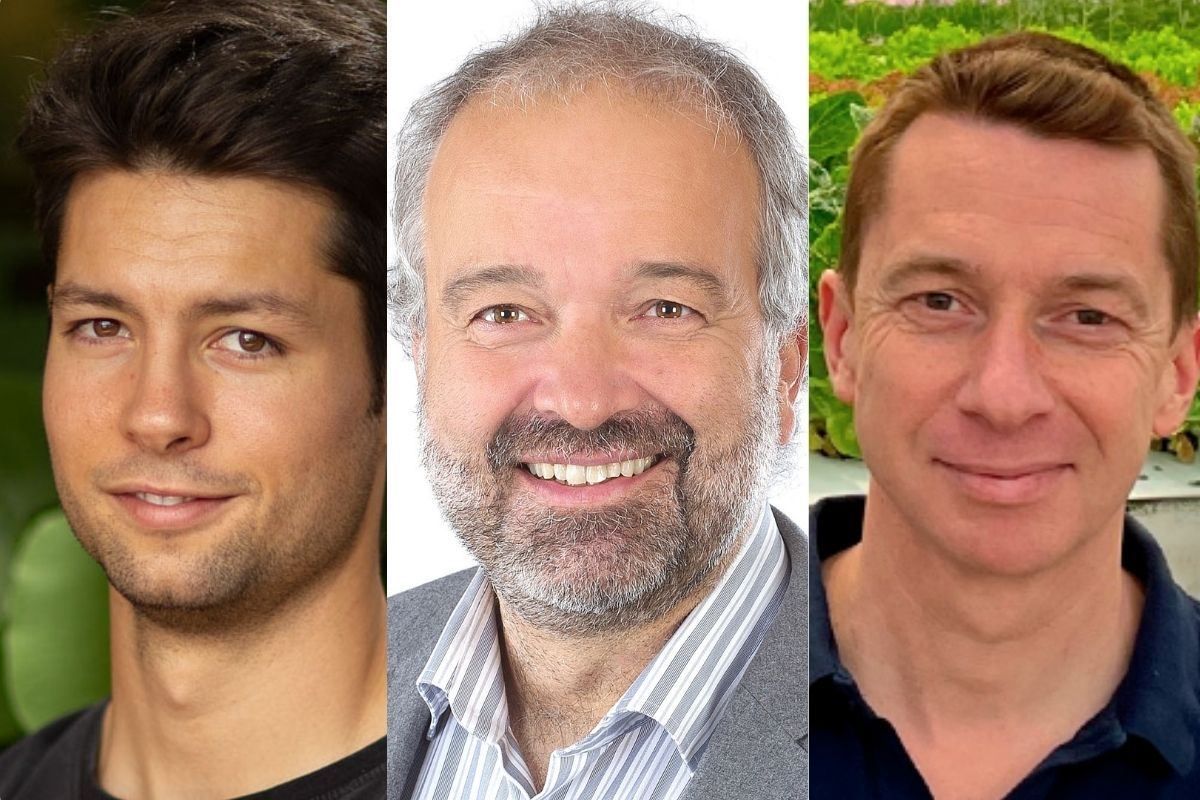
At our Impact Forum: Controlled Environment Agriculture on 11 March 2025, we invited three expert speakers to discuss the current situation in conversation with Valley CEO Christina Senn-Jakobsen. Here’s what we learned…
Fabian from Agroscope explained his research on cultivating single-cell microalgae as an energy-efficient and sustainable protein alternative. He noted that while traditional food systems rely on animal- and plant-based products, microorganisms – specifically bacteria – represent the largest and most diverse biomass on Earth, yet are largely untapped for food production.
As microalgae can be cultivated with minimal environmental impact, they offer a genuinely superior alternative to conventional agriculture. They can be grown on rooftops or in industrial /agricultural spaces, require no arable land, no synthetic pesticides and significantly less water.
From a regulatory perspective, Fabian noted that only four species of microalgae are currently approved for human consumption, though more species are under review. He also acknowledged the slow approvals process is limiting the industry’s ability to fully exploit the potential of microalgae.
Fabian sees Switzerland as a “living lab” for food system innovation, suggesting that the country could develop and refine CEA technologies before scaling them globally to meet the needs of a growing population.
Bruno highlighted the challenges faced by traditional agriculture, including unpredictable weather patterns, lack of resources and labour, and disruptions from global events like COVID-19 and war. In light of this, Bruno explained the benefits of indoor farming: less reliance on external climate conditions, optimised resources and automating some of the labour involved. He also touched upon the importance of data-driven farming and how AI and IoT can help optimize lighting, temperature, and resource use.
CleanGreens uses an innovative aeroponics system, where plant roots are suspended in the air and irrigated by a robot, resulting in higher yields compared to traditional farming and other hydroponics. The system has already seen success in France and Kuwait, with plans to expand further into the Middle East, North America and beyond.
Bruno also acknowledged the high energy consumption and costs associated with CEA. He stressed that scalability will depend on innovations in energy efficiency, such as integrating renewable energy into CEA systems. He emphasised the need for continued investment and collaboration, and argued that CEA should not be seen as a replacement for traditional farming, but rather a complementary solution for urban food production.
Martino emphasised that while many discussions focus on the technical aspects of CEA, it is also important to understand how customers perceive indoor farming and whether they will accept new methods of food production.
Martino pointed out that public awareness and trust in CEA are still evolving. Many consumers value sustainability and local food production, but may harbour misconceptions about indoor-grown produce or lack knowledge about its safety. He stressed that educating consumers on the benefits of sustainable farming will be essential to drive adoption.
From a technical perspective, he shared how UMAMI’s aquaponics-based indoor farming system integrates fish, shrimp, and other aquatic organisms to create a closed-loop ecosystem. This system naturally fertilizes plants without synthetic fertilizers, significantly reducing waste and water usage.
Martino concluded by reinforcing that while technology is key, market acceptance, storytelling, and branding will play a major role in the success of CEA in the food industry. The future of indoor farming will depend not only on technical improvements but also on how well the industry communicates its value to the public.
The page you requested could not be found. Try refining your search, or use the navigation above to locate the post.
In case you missed it, side stream valorisation is all about finding new ways to transform by-products from food processing waste streams into new, high-value products.
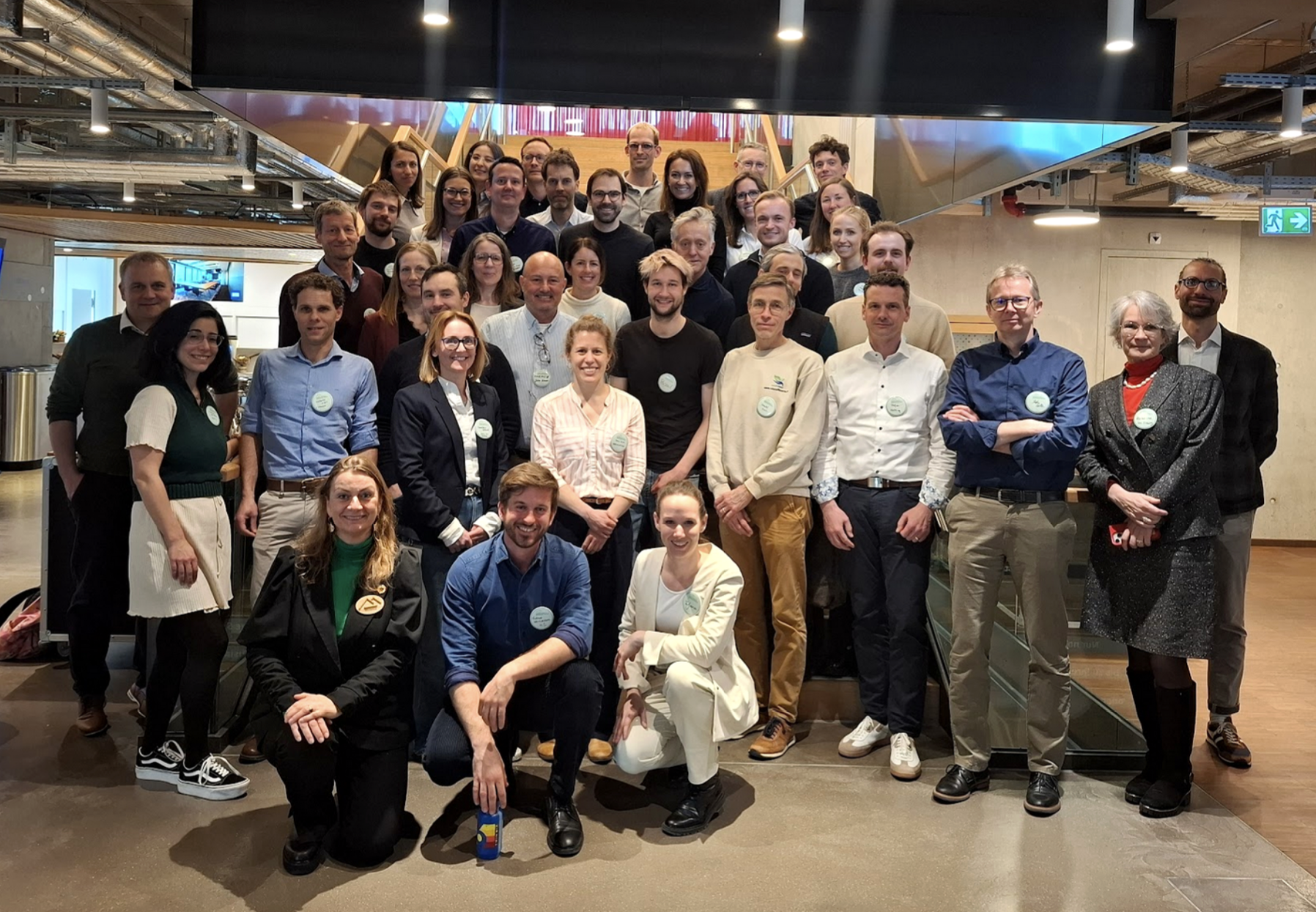
State of Play attendees were treated to fascinating insights on the topic from our speakers, enjoyed an expert panel discussion and Q&A, and got the chance to explore topics more deeply in smaller discussion groups. There was also plenty of time for networking and sampling some delicious upcycled products in person.
Linda Grieder-Kern of Rethink Resource, kicked things off with a discussion on the role of side streams in the circular economy – and in Switzerland. Next we heard from Nicolas Dorsaz of Bühler Group about the role of technology and how it is making side stream valorisation appeal to their customers.
We also took a whirlwind tour of the current market from several innovators in the space – from the applications of spent brewers’ grain with William Beiskjayer from UpGrain and Brauerei Locher’s Aurèle Meyer, to the potential of okara, a byproduct of tofu production, via Flavio Hagenbuch of Luya. Fabian Weinländer from Blattmann Schweiz also delved into the opportunities of potato peel and wastewater. A presentation from Tiffany Abitbol, from EPFL’s Institute of Materials, helped to summarise some of the varied technologies for valorising side streams.
In panel discussions, a Q&A session and deep dives, we also heard from Clemens Rüttimann from Food Hub Wädenswil, Doris Erne from Wheycation (upcycled whey products) and Karin Friedli from Circunis (an online food platform for surplus waste).
Thanks to all of the experts and everyone who joined us!
The session concluded with a Q&A session which covered consumer perception, technological challenges, funding gaps, and collaboration in sidestream upcycling. And one theme emerged again and again: Switzerland as a side stream leader.
This was a major theme throughout the event, emphasized by multiple speakers and in the panel discussion. Switzerland already has strong research institutions, food tech startups, and sustainable agriculture. And here at the Valley, we are working on developing a national ecosystem for upcycling. With improved coordination, Switzerland could become a global hub for side stream innovation.
Huge thanks to Bern Economic Development Agency for supporting this event!
Our next State of Play event on Regenerative Farming will take place on the 4th June – and remember each Valley partner can benefit from two complimentary tickets.
The page you requested could not be found. Try refining your search, or use the navigation above to locate the post.
My journey into side stream valorisation started with a deep interest in industrial symbiosis and the circular economy – the idea that waste from one process can become a valuable resource for another.
What particularly intrigued me was the challenge of finding economically viable business models that integrate sustainability. I wanted to explore how companies could benefit from doing the right thing – not just by reducing waste but by turning by-products into valuable resources. This led me to side stream valorisation, where I saw a huge untapped potential to create new revenue streams while making food production more resource-efficient.
As I delved deeper, I realised that many food industry by-products still have significant nutritional, functional, or material value. The challenge wasn’t just about reducing waste but about unlocking innovative, high-value applications. That’s what ultimately drew me to this field: the opportunity to combine sustainability with smart economics, proving that circular business models can be both impactful and profitable.
At Rethink Resource, we help companies across various industries identify, develop, and commercialise new value-creating opportunities from their industrial side streams. While the food industry is one of our strongest branches – given the high-value side streams it generates – we follow a cross-industry approach to unlock circular business opportunities.
Our role goes beyond just consultancy. We act as innovation partners, guiding companies from idea generation to market-ready solutions. This involves scouting for potential applications, connecting companies with the right technology partners, and designing business models that make side stream valorisation both profitable and scalable.
We also bridge the gap between research and industry, ensuring that new solutions are not just scientifically sound but also commercially viable. Ultimately, our goal is to help businesses transition from a linear approach – where by-products are discarded or downcycled – to a circular model that unlocks new revenue streams and contributes to a more sustainable and resource-efficient economy.
Switzerland has a strong foundation for side stream valorisation due to its unique mix of industrial strength, innovation power, market conditions, and commitment to sustainability.
Home to leading food, life sciences, and manufacturing companies like Nestlé, Bühler, and Givaudan, Switzerland offers high-value side streams and the expertise to process them. Its economy provides fast access to global markets, while its compact size ensures short and efficient innovation-to-market cycles within the country.
With top universities and applied research institutes, Switzerland fosters cross-disciplinary innovation – essential for turning side streams into valuable products. We also have strong startup support and funding programmes, creating an ecosystem where startups and corporates can collaborate effectively.
Another key advantage is Switzerland’s high sustainability standards. Consumers and regulators expect businesses to operate sustainably, encouraging companies to adopt circular economy principles.
There is however still a lot of potential to unlock, often via cross-industry collaboration. Strengthening these connections and improving consumer awareness of upcycled products can help Switzerland lead the way in mainstream circular business models.
Circular solutions can’t succeed in isolation – they require collaboration across the entire value chain. Startups drive innovation but need manufacturers’ scale and infrastructure to grow. Retailers also play a key role in consumer education since dedicated shelf space and clear labelling could boost demand for upcycled products.
One of the biggest challenges in side stream valorisation is that available side streams and required resources rarely align perfectly. Also, the right processing capabilities often come from sectors unfamiliar with the side stream’s origin.
Ultimately, successful circular models thrive on partnerships. By fostering cross-industry collaboration and new business models, we can overcome technical and market barriers, unlocking the full potential of side stream valorisation.
I’m excited about building new bridges – connecting industries, technologies, and stakeholders to unlock new opportunities in side stream valorisation. I look forward to exploring how we can accelerate cross-industry value-networks, integrate emerging processing technologies, and overcome market barriers to bring circular solutions from concept to commercialisation. Real impact happens when ideas don’t just stay in research labs but reach consumers and industries at scale – and that’s what I hope to drive forward at this event.
The page you requested could not be found. Try refining your search, or use the navigation above to locate the post.
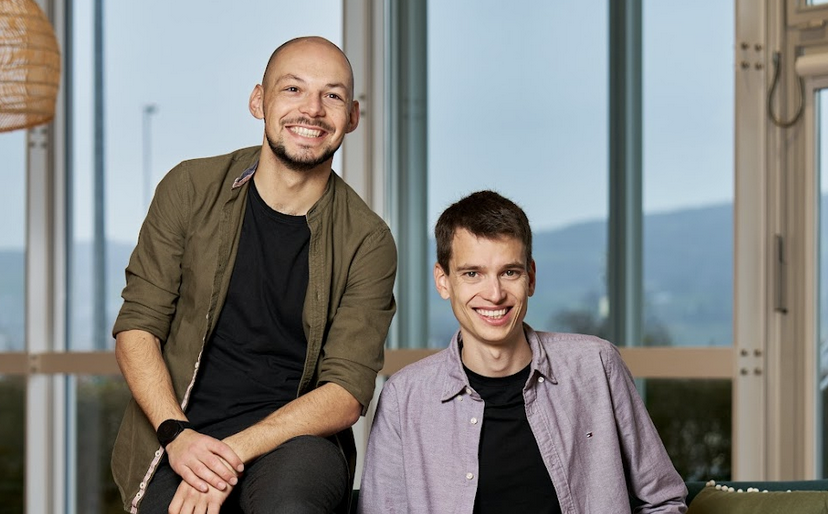
Tobias Kistler, Michael Whyte and I got to know each other during the research project where we developed the basic idea for Luya and quickly realised that we shared a common vision. Our fascination for fermentation and its ability to naturally transform raw materials, including side streams, was the idea behind Luya. In particular, we saw the enormous unused potential in okara and its potential for transformation into an alternative protein source via fermentation.
It is at the very heart of our approach. At Luya, we’re not just creating another meat alternative – we’re redefining the category by upcycling organic by-products from the food industry through natural fermentation. Our products are crafted from rescued organic okara, a highly nutritious by-product of tofu and soy milk production, which would otherwise go to waste.
The natural production process paired with the upcycled okara is a unique approach that does not yet exist in the industry. We also aim to become a fermentation platform for other upcycled food side streams.
Switzerland provides a strong environment for startups like us with a focus on sustainable technologies. The renowned research institutions, universities and the country’s commitment to promoting innovation and environmental solutions provide the perfect foundation for startups like Luya. It’s a very promising place for the future of more sustainable nutrition.
We are excited to see whether new regulations will finally support the upcycling of food by-products. And we are keen to become more involved in this area.
The page you requested could not be found. Try refining your search, or use the navigation above to locate the post.
Any outdoor environment is by its very nature highly unpredictable, with weather conditions fluctuating between rain, snow, heat, and cold, while pests and crop diseases remain a constant challenge. Since the invention of greenhouses, year-round cultivation has been possible, enabling multiple growth cycles and significantly increasing yield per square meter. Greenhouses offer a controlled environment where climate, pests, and diseases can be managed more effectively. Plants grow faster and more reliably under stable conditions as they don’t need to adapt to shifting weather.
However, simply growing crops under cover and regulating the climate isn’t enough. Traditional soil-based greenhouse farming can present several challenges – for example, water and fertilisers can leak into the ground and soil compaction requires ploughing for oxygenation. Addressing these issues is key to optimising the efficiency of indoor farming, thus ensuring yields and crop quality.
We believe that the answer is yes! The controlled environment greenhouses help maximise growth cycles, minimize pests and diseases, and significantly reduce the need for pesticide use. Advanced irrigation systems, like CleanGreens’ closed-loop technology, cut water and fertiliser waste by delivering nutrients directly to crops. AEROponic systems further enhance plant health by optimising oxygenation without soil, while soilless cultivation ensures cleaner harvests, streamlining inspection and processing.
Technically, yes. We live in a dynamic era where the technology is developing rapidly, making it possible to grow more and more crops in soilless systems. However, economic factors do present challenges. Some plants, like trees, require large spaces, while crops like wheat, rice, and potatoes thrive best in vast open fields. Scaling AEROponics for these types of plants is not economically viable – at least not yet.
Hydroponics and AEROponics are both soilless farming methods, each with their own strengths. Hydroponics immerses roots in a water-fertiliser mix, making it ideal for water-loving crops such as rice, while AEROponics keeps roots in the air, misting them to maintain humidity – better suited for plants that thrive in drier conditions. AEROponics also allows homogeneity, and fewer phytosanitary risks. If one plant gets infected, this doesn’t infect the others because roots are separated.
Hydroponic systems are cheaper to set up but have higher operating costs, whereas aeroponic systems tend to be more efficient in water and fertiliser use. The best choice depends on crop needs and ongoing cost considerations.
Greenova is an advanced AEROponics system designed for greenhouses. It allows plant roots to grow in the air while being misted with a nutrient solution that is collected and recirculated to prevent waste. This system naturally provides roots with sufficient oxygen and allows for the growth of larger crops.
We’ve already successfully completed three large installations – two in France and one in Kuwait – as well as two projects in Switzerland and another is currently under construction in Germany. I look forward to sharing more about these projects as well as what we’ve learnt along the way in the next SFNV Impact Forum!
The page you requested could not be found. Try refining your search, or use the navigation above to locate the post.