No Results Found
The page you requested could not be found. Try refining your search, or use the navigation above to locate the post.
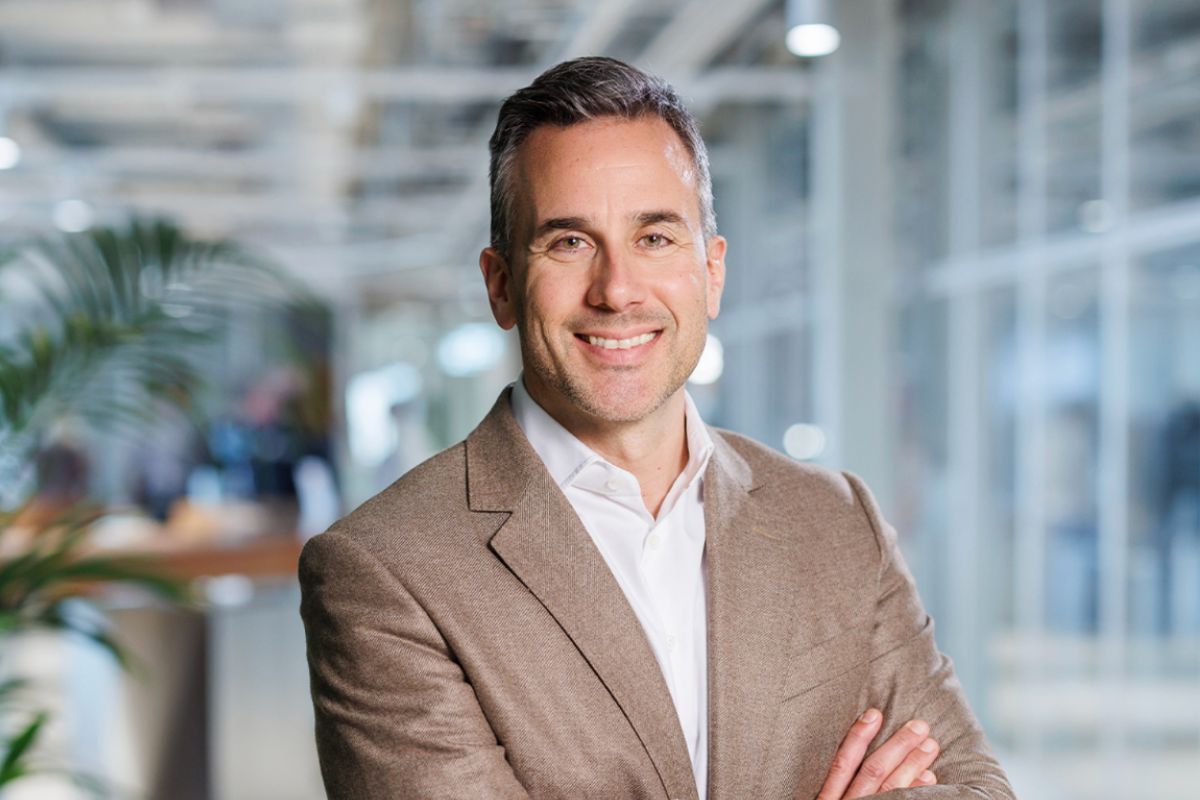
I’m definitely an ALDI kid! I’ve been part of the company for more than eighteen years. I live in Fribourg with my wife, our four children and dog, and I’m now a Swiss citizen. I grew up on an Alsatian farm which taught me to be down-to-earth and gave me a deep respect for nature. I’ve helped to build ALDI’s market entry in Switzerland which has been a very exciting experience.
For me, being sustainable means looking ahead. This forward thinking is also deeply rooted in ALDI SUISSE’s philosophy. We feel great responsibility for people and nature. For example, we’re always working to improve our packaging, and where possible we’re eager to do away with it altogether. By 2025, we want to significantly reduce the use of packaging materials in our own brands and use more packaging made from recycled material.
Our own-label organic brands rely on regional and sustainable products. We source fruit and vegetables from local producers and maintain strong partnerships with our suppliers – both to promote Swiss products and avoid importing goods as much as possible. With our new regional own brand SAVEURS SUISSES, we’ve expanded our regional range in collaboration with our Swiss producers. The range offers all kinds of delicacies from pasta from Ticino to French-speaking Swiss cheese specialities.
ALDI SUISSE is going vegan! We are always adapting to our customers’ needs – and they are getting more and more excited about plant-based products. The past year’s product sales show that meat substitutes are growing in popularity among our shoppers. At ALDI SUISSE, we firmly believe that everyone should be able to afford vegetarian or vegan food so we’re committed to a varied selection at reasonable prices. In addition to new meat substitutes, we’re also offering our new organic own-brand ‘retour aux sources’ that prioritises animal welfare, enables more biodiversity and supports local farmers.
As a new Valley partner, we’re keen to strengthen our commitment in the field of food innovation. For us it’s very important to enable sustainable solutions in agriculture and the food industry. In terms of healthy nutrition, there is still a lot of potential for future collaboration. We want to help accelerate innovations in the Valley.
As a Swiss retailer, we offer an ideal platform to test product innovations with a broad range of consumers. We’re very open to new product developments and building partnerships with others in the ecosystem.
We want to grow with the community and strengthen our strong contribution to individual projects. We see ourselves as pioneers in the retail sector and want to set new standards in Switzerland. Supporting Swiss people to enjoy a healthy and sustainable diet is very important to us.
It’s not surprising to us, but it may surprise others that we pay the highest wage in the industry. Since entering the Swiss market in 2005, ALDI’s wages in the industry have risen by 30 percent. The working conditions of our employees are extremely important to us. We guarantee the highest minimum wage in the retail trade, and we have always offered equal pay. This was also recently scientifically confirmed and awarded the seal ‘We Pay Fair’, which makes us very proud!
Connect with Jérôme on LinkedIn.
The page you requested could not be found. Try refining your search, or use the navigation above to locate the post.
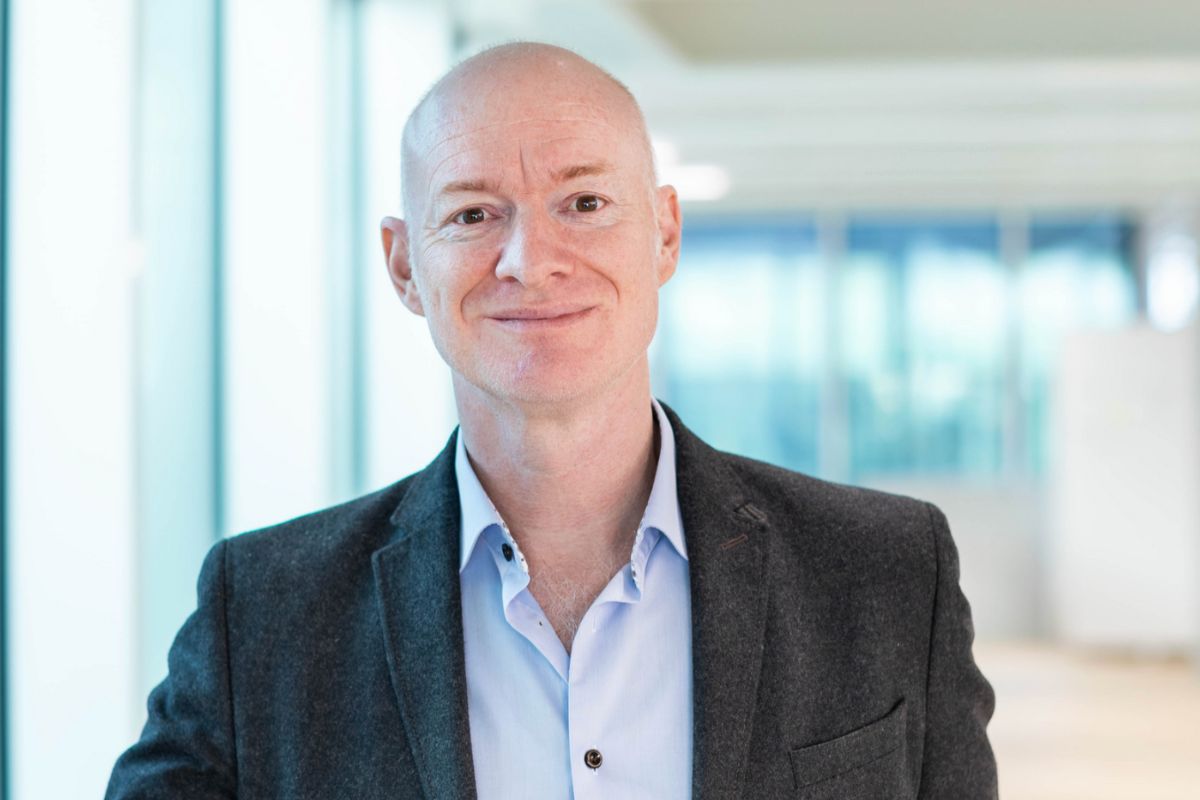
Hello, I’m Alwin, Head of the International Affairs and Food Systems Unit at the Federal Office for Agriculture and co-lead of the global Sustainable Food Systems Program for the One Planet Network, a global movement for sustainable consumption and production. I’m also the national convenor for the UN Food Systems Summit’s food systems dialogues.
In these roles, I focus on bringing together public and private actors at a national and international level to identify and develop policy and practical solutions to ensure long-term food security and drive food system sustainability.
The Swiss Sustainable Development Strategy 2030 (SDS 2030) defines the direction for Switzerland’s sustainable development. One of the strategy’s three priorities is sustainable consumption and production and food systems transformation clearly plays a key role in its delivery. The Federal Government has defined four strategic action areas to drive forward progress here:
In the run up to the UN Food Systems Summit in 2021, Switzerland developed a National Pathway for Food Systems Transformation based on the SDS 2030. It also contributed to the Coalitions on Agroecology and Healthy Food through Sustainable Food Systems.
The Federal Office for Agriculture, together with other federal agencies, played a central role in preparing the relevant decisions, representing Switzerland on the international stage and contributing to building consensus. Through our longstanding involvement in food systems transformation, I’m pleased to say that Switzerland is already recognized as a thought leader and bridge builder in this field.
Multi-stakeholder collaboration is central to what we do. We work closely with partners from cantons and communes, civil society, industry and academia to implement the priorities outlined in SDS 2030.
Last year, for example, we supported the gathering of a Citizens’ Assembly for Food Policy (Bürger:innenrat für Ernährungspolitik), that developed recommendations that encourage actors across the food system – from producers to consumers – to consider how they can support the implementation of the Sustainable Development Goals. The Assembly recently teamed up with a scientific panel to present these recommendations to politicians and stakeholders from across the food value chain at the Swiss Food Systems Summit.
We also collaborate closely with international actors through a number of partnerships and programmes. FOAG is a member of the Global Agenda for Sustainable Livestock, a global partnership that aims to make the livestock sector more sustainable. We’re also a founding member of the Sustainable Food Systems Programme (SFSP), an initiative that looks to accelerate the shift towards more sustainable consumption and production patterns along the entire value chain.
Yes, I believe that young people play a vital role in supporting the shift towards more sustainable food systems and really hold the future of food security in their hands.
But there’s a huge generation gap: the average farmer globally is currently over 50. So it’s important to find ways to help young people see agriculture as an attractive career path. This might include providing facilitated access to investment credit for farmers under the age of 35, integrating new forms of production – such as insects and algae – into agricultural laws, recognizing new forms of collaboration, and developing an Innovation Award for sustainable agriculture and food systems to show young people what’s possible.
About seven years ago, we raised this issue with global colleagues and many countries, like Sweden and Brazil, shared that they were facing similar issues. The Swiss National FAO Committee worked alongside the FAO on a youth capacity assessment tool to explore what motivates young people to choose a career in agriculture and what it takes for them to successfully establish themselves in the sector.
The Swiss Agency for Development and Cooperation then developed the “Bites of Transfoodmation” project to bring together a group of diverse young individuals to co-create a unifying vision for the future of food systems in the form of a manifesto. This laid the ground for negotiations by the Committee on World Food Security (CFS) on a policy tool to promote youth engagement and employment in agriculture and food systems. Switzerland chaired these negotiations which resulted in the creation of some new policy recommendations.
We believe that discussion and collaboration are the only ways to tackle the challenges facing the agri-food sector today. This exchange promotes mutual understanding between food system actors and helps to build consensus on the best way forward.
I’m pleased to see that several Valley partners are already members of the Swiss National FAO Committee that brings together representatives from different stakeholder groups and advises the Federal Council on issues related to sustainable agriculture, food systems and food security.
Maintaining and enhancing food security also requires targeted public and private investment. I believe that principles for responsible investment in food and agriculture can help to prevent, mitigate and manage negative impacts and promote inclusive growth and contribute to sustainable development. I think the Valley and its partners could be well placed to support the development of some principles in this space.
Ultimately, food systems transformation will not work without innovation and talented people to bring these innovations to life. The Valley and its partners have an important role to play here – both as an ecosystem and a catalyst for innovation and food systems transformation.
The page you requested could not be found. Try refining your search, or use the navigation above to locate the post.
The Swiss biotech company REM Analytics, which offers an advanced DNA analysis to assess microbiome composition, has joined the SFNV.
Switzerland, February 2021 – REM Analytics, a biotech startup that provides innovative DNA analysis to assess microbiome composition, food authenticity and food safety, has joined the SFNV. They use a quantitative approach and strain-level resolution to accurately map microorganisms to:
The REM Analytics team aims to utilise high-performance DNA measurement tools to develop new solutions in nutrition.
For more information:
Email : anna.surowska@remanalytics.ch
Jérôme Meyer is the Country Managing...
Alwin Kopse is Head of the...
The Swiss biotech company REM...
The company transforming whole coffee beans into creamy caffeinated coffee snacks, Solid Coffee KIG, has joined the SFNV.
Switzerland, February 2021 – Solid Coffee KIG, a Swiss company making coffee snacks from whole coffee beans, has joined the SFNV. Kafi is a new way to experience coffee; it’s a bar of pure, solid coffee with no cocoa beans inside. These coffee bars come in two different versions: kafi espresso and kafi cappuccino.

For more information:
Email : hello@solid-coffee.ch
Jérôme Meyer is the Country Managing...
Alwin Kopse is Head of the...
The Swiss biotech company REM...
The Swiss company, NutriMenu, which facilitates the creation of healthy, seasonal and regional menus in cafeterias, has joined the SFNV.
Switzerland, February 2021 – NutriMenu, an easy-to-use tool for nutrition evaluation with its precise and scientific approach, has joined the SFNV. This program is based on Swiss quality standards for catering and promoting health. It is also a guide from the Federal Office for Food Safety and Veterinary Office (FSVO) and the official recommendation from the Swiss Society of Nutrition.

Since its conception in 2015, private and public authorities have adopted NutriMenu for assessing the nutritional quality of cafeteria menus in Switzerland.
Jérôme Meyer is the Country Managing...
Alwin Kopse is Head of the...
The Swiss biotech company REM...
The Swiss startup, EcoCascara, which upcycles coffee cherry pulp into healthy, refreshing cascara drinks, has joined the SFNV.
Switzerland, February 2021 – EcoCascara, a young startup in Lausanne promoting sustainability through the production of cascara drinks, has joined the SFNV. The company’s mission is to offer a delicious, natural, ethical and healthy caffeine experience, from fruit to drink. They partner with organic coffee and cascara producers who are committed to biodiversity and community development programs.
For more information:
Email : info@ecocascara.ch
Jérôme Meyer is the Country Managing...
Alwin Kopse is Head of the...
The Swiss biotech company REM...