MIRAI FOODS and Shiok Meats enter into a strategic partnership agreement

MIRAI FOODS and Shiok Meats enter into a strategic partnership agreement

MIRAI FOODS – a Swiss company at the forefront of cultivated meat production – has entered into a strategic partnership agreement to develop cultivated beef production in Singapore and accelerate regulatory approval.

MIRAI FOODS has entered into a partnership agreement with Gaia Foods, a company specializing in cultivated red meat technology in Singapore and a subsidiary of Shiok Meats, the first cultivated seafood company in SE Asia.  The collaboration will enable the two innovators to exchange know-how and supplies to bring cultivated beef to Singapore. 

MIRAI FOODS will supply Gaia Foods with its one-of-a-kind bovine muscle and fat stem cells – the essential raw material for producing cultivated beef. These are natural, highly pure, non-genetically modified cells collected from premium cattle breeds, which are hard to come by in Singapore.

A growing appetite

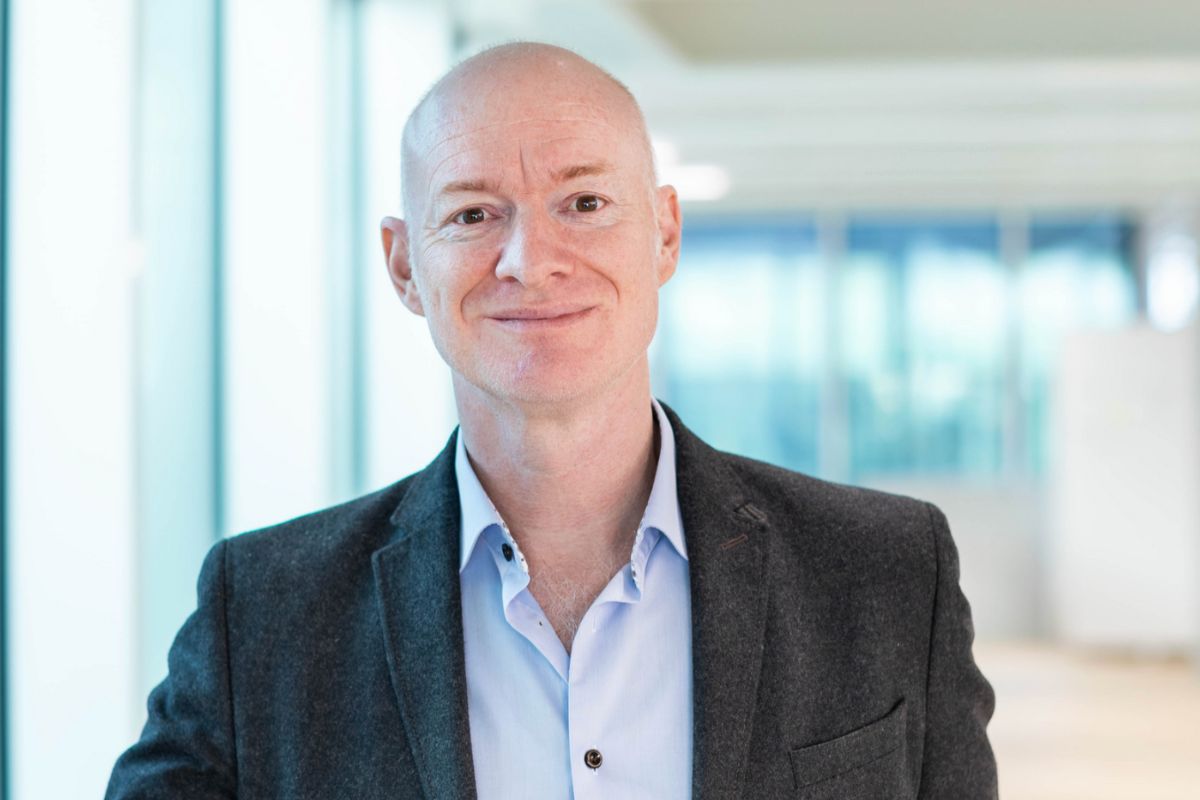
We are excited to partner with one of the world’s leading cultivated seafood producers and their subsidiary cultivated meat company to extend the culinary choice for Singaporean consumers to premium, Swiss quality cultivated beef”, shares Christoph Mayr, CEO at MIRAI FOODS. “Partnering with a Singaporean company is particularly interesting for us given the country’s strong distribution and partnership network across the Asia Pacific region, which has been showing a growing appetite for safe, high-quality beef”, he adds.

Shiok Meats will provide MIRAI with its advanced regulatory information and know-how, gained from being located in the first country in the world to approve the sale of cultivated meat and home to the largest cultivated meat facility in Asia. MIRAI’s regulatory dossier filing in Singapore will be a first crucial milestone for the Swiss company to enter markets outside of its home ground. 

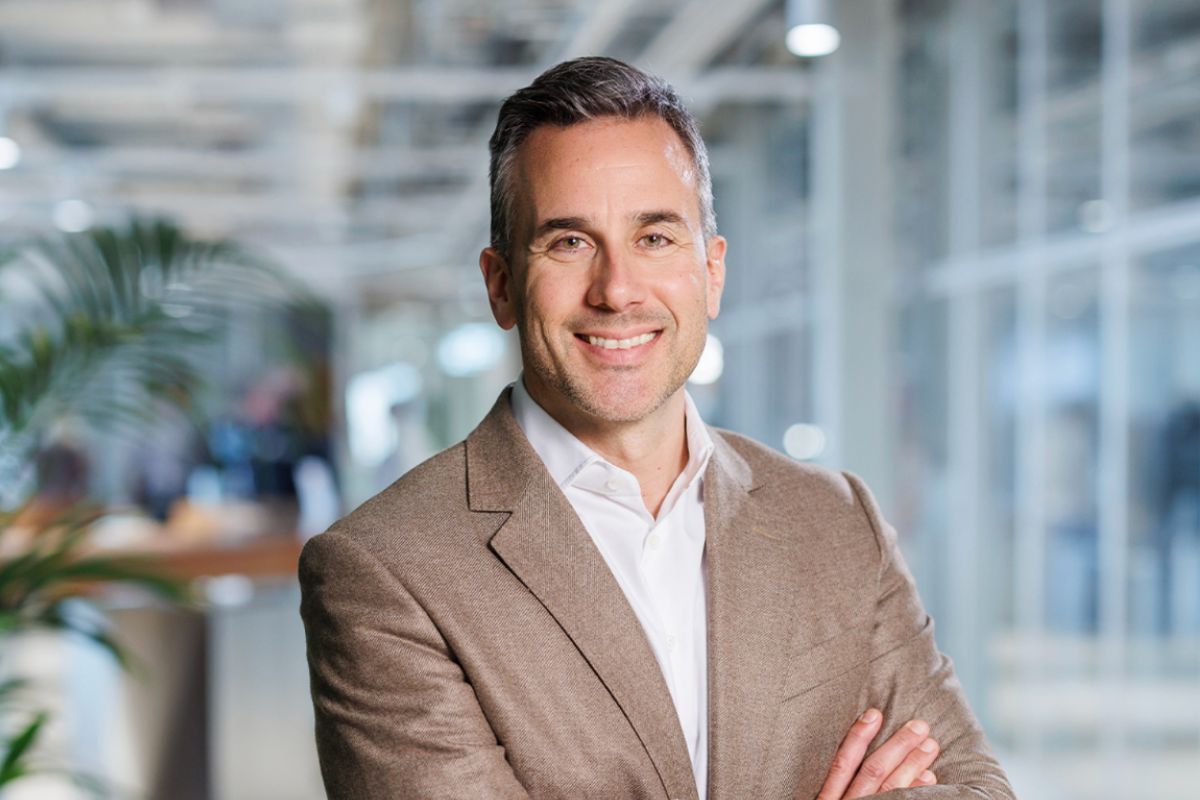
Sandhya Sriram, Group CEO at Shiok Meats and Gaia Foods, reveals that “this partnership is the result of a strong relationship we have been building with MIRAI. We already started working with MIRAI’s stem cells and are very happy with their performance. Whilst we will leverage our regulatory status and expertise to help MIRAI accelerate its market entry in Singapore, we are also looking at the potential production and distribution of our seafood products in Switzerland, a high purchasing power market with a strong first adoption mindset.

About MIRAI FOODS

MIRAI FOODS is a Swiss deep tech food company and one of the fastest moving 2nd generation cultivated meat start-ups, focusing on non-GMO, premium beef. Since its inception in 2019 the company has developed ground-breaking technologies that enable the cost-efficient and scalable production of natural, highest quality, 100% cultivated beef that is tasty, nutritious, and healthy. The unique combination of its patented technologies allows the company to produce whole cut filets and steaks. MIRAI has raised six million USD in seed equity, received three million USD in non-dilutive research grants and filed three defensible patents.

About Shiok Meats and Gaia Foods

Shiok Meats is a cultivated meat and seafood company – the first of its kind in Singapore and South-East Asia. “Shiok” in Singapore and Malay slang means fantastic, delicious, or simply put – pleasure. Shiok Meats owns SEA’s first cultivated red meat company, Gaia Foods. Their mission is to bring delicious, sustainable, and healthy seafood and meats to the table, using their technology to grow meat from healthy cells instead of animals. Currently, Shiok produces crustaceans like shrimps, crabs, and lobsters and are the first in the world to do so using cellular agriculture technology. Their meats are real meat, delicious and nutritious. Their meats are ethical and environment-friendly. Gaia Foods specializes on textured red meat like beef steaks.

Never miss a Swiss food innovation morsel.

Latest News
No Results Found

The page you requested could not be found. Try refining your search, or use the navigation above to locate the post.

Join the Swiss Food & Nutrition Valley ecosystem.

ALDI SUISSE becomes the first Swiss retailer to join Swiss Food & Nutrition Valley

ALDI SUISSE becomes the first Swiss retailer to join Swiss Food & Nutrition Valley

ALDI SUISSE is the first Swiss retailer to become a member of the Swiss Food & Nutrition Valley. By taking this step, ALDI strengthens its commitment to innovating to drive a more sustainable food system.

A new partnership for even more sustainable innovation

ALDI SUISSE is the first retailer in Switzerland to become a member of Swiss Food & Nutrition Valley. This move demonstrates its commitment to even more sustainability along its supply chains and driving innovations in agriculture and the food industry. The Swiss retailer believes that scientific and technological solutions will play a key role in shaping a more sustainable future.

Celebrating their membership, Jérôme Meyer, Country Managing Director at ALDI SUISSE said: Healthy and sustainable nutrition is an essential part of our lives. That’s why agriculture and food affect everyone. There is still great potential here. We are therefore very pleased to be the first Swiss retailer to become part of Swiss Food & Nutrition Valley’s extensive network and we look forward to discovering, promoting and supporting exciting agricultural and food innovations.

Major distributors play a key role in shaping a more sustainable food industry

Large distributors play an essential role in shaping more sustainable food systems. By becoming a Swiss Food & Nutrition Valley member, ALDI SUISSE makes an important contribution to driving a more future-focused food industry.

Swiss Food & Nutrition Valley Managing Director, Christina Senn-Jakobsen said: “Retailers play a vital gatekeeping role in driving more sustainable food systems. They shortlist the products that make it onto our dinner plates – shaping our supply chains from farm to fork and making it easier for consumers to make healthier and more sustainable choices. That’s why we’re thrilled to welcome ALDI SUISSE to the Valley. We look forward to welcoming them to the SFNV family and collaborating to create new programs to accelerate purpose-driven innovation! ”

About ALDI SUISSE

ALDI SUISSE AG is a Swiss company headquartered in Schwarzenbach (SG) and belongs to the group of companies ALDI SÜD, a global retail company. ALDI’s key values are simplicity, consistency and responsibility. In addition to high-quality products and affordable prices, this means ensuring sustainable, environmentally-friendly and animal-friendly production. A large proportion of sales from the ALDI SUISSE standard range of around 1800 products is generated from articles produced in Switzerland. With more than 3,900 employees and 230 branches, ALDI SUISSE has established itself as one of the largest employers in the Swiss retail trade since 2005.

About Swiss Food & Nutrition Valley

Swiss Food & Nutrition Valley (SFNV) is a not-for-profit association that strengthens and promotes food system innovation within Switzerland with global impact. SFNV’s diverse member organizations collaborate to address the most pressing challenges in food, agriculture and nutrition, and co-create innovative solutions that drive better planetary and human health.

.

Latest News

No Results Found

The page you requested could not be found. Try refining your search, or use the navigation above to locate the post.

Join the Swiss Food & Nutrition Valley ecosystem and be partof the journey!

This Swiss startup’s AI-powered solution is leveraging data to improve how we farm.

This Swiss startup’s AI-powered solution is leveraging data to improve how we farm.

Purple lights growing vegetable

Patrick Albrecht will be the first to tell you that he doesn’t have green fingers. But his team’s AI-driven software uses thousands of data points to optimize growth conditions – saving time and reducing the energy and resources needed to produce great quality produce. We sat down with Patrick to find out more.

Hello. Tell us a bit about yourself.

I’m Patrick Albrecht, Co-founder and CEO of Fruitful Farming AG. I’m passionate about building solutions to produce food in a circular and sustainable way through state of the art technology. I’m also a true tinkerer at heart.

Tell us about Fruitful.

We leverage data to improve the way we farm. Our technology allows growers to monitor and optimize their growth environment – so they can produce high quality produce, at scale, independent of the season and using minimal resources. The key differentiator here is that we don’t only listen to the growth environment but also we analyze optical data points of plants by leveraging computer vision. 

What gets you out of bed in the morning?

I’ve always loved anything to do with food – especially cooking and eating it! But as my former long-suffering terrace plants could confirm, growing was actually never my forte! That’s why I find working for Fruitful so motivating. We provide the tools that make growing great quality produce easy.  

What does your typical day look like?

Each day is totally different! After breakfast, I tend to work through my emails to check in and see if there’s anything important I’ll need to focus on that day. Then maybe I’ll have a meeting with clients or grab coffee with another startup founder to share ideas. I’ll often touch base with the tech team to discuss how we can improve the product and think through ideas for new features.

What key milestones have you hit so far?

In three years, we’ve taken Fruitful from an idea to a validated product with paying clients. We were very grateful to get coaching support from Innosuisse early on – this really accelerated our progress. We launched our initial product in May last year and have since been working alongside clients to test and improve it. 

We’ve also managed to grow an amazing team of individuals who are genuinely passionate about agriculture and sustainability and we’ll soon be announcing some really exciting funding news. Watch this space!

What are you working on at the moment?

We’re working on a number of projects across Europe. A reputable university in Italy is using our technology as part of a project on light spectral analysis. Our Austrian partners are exploring how our software can optimize the growth of medicinal plants by aiding visual inspection and helping to identify the best harvest times. We’re even collaborating with a partner in Norway who is using sheep wool as a byproduct and solar energy to run a small circular economy inspired vertical farm! I find these collaborations fascinating as they help us to see how our software can add value in ways we would have never thought of ourselves.

Can you support others in the food innovation ecosystem?

We’re big data and analytics geeks and our strengths lie in developing technological solutions. I’d love to work alongside companies who are operating farms or research facilities who might be looking for this type of expertise. There are so many tools available. If you’re not working in the sector you might not be aware of them but they could make a huge difference to the way you work. We’d love to help here.

How can other actors support your work ?

I think open and honest conversations are the best way to move things forward. Becoming a SFNV member has helped us to connect with others who are developing complementary solutions and have a similar mindset. Talking about what we’re struggling with has helped us to identify how we can use our respective expertise to better support each other. If you’re interested in finding out more about Fruitful, please do reach out. I’d love to chat.

Swiss Food & Nutrition Valley will soon be launching our fourth Impact Platform on the Future of Farming. What are your predictions in this space?

Recent international developments have reminded us why we need to change the way we farm. Consumers and retailers are now even more supportive of local and sustainable production. I think the future of farming will play into these trends, while using tech to drive better efficiency to ensure that we use our limited planetary resources as effectively as possible.

Tell us something we don’t know about your company.

When we first had the idea for Fruitful I built a small vertical farm in my apartment! I knew that I wasn’t great at looking after plants so I wanted to see if I could create a system that would keep even my plants alive! My makeshift automated system worked and soon I was giving my surplus tomatoes and radishes to friends and family members. Of course, it was just a bit of fun, but I also think that this project helped me understand the complexity of experiment design in modern agricultural systems and the importance of data in these fields.

Connect with Patrick on LinkedIn or find out more on the Fruitful Farming website. 

Latest News

No Results Found

The page you requested could not be found. Try refining your search, or use the navigation above to locate the post.

Join the Swiss Food & Nutrition Valley ecosystem and be partof the journey!

CleanGreens Solutions is gearing up to bring their mobile irrigation robot to new markets

CleanGreens Solutions is gearing up to bring their mobile irrigation robot to new markets

Having grown up on a farm, Bernhard Baumgartner, Commercial Director at aeroponic growing system manufacturer CleanGreens Solutions, grew up surrounded by plants. Now he’s helping colleagues across the globe – from Europe to the Middle East – grow a feast of leafy greens thanks to the company’s unique Greenova system, which uses robotic aeroponic equipment to reduce water usage and bypass pesticides. 

Hello. Tell us a bit about yourself.

I’m Bernhard, Commercial Director of CleanGreens Solutions. I grew up on a farm in France so I’ve been surrounded by plants for as long as I can remember. After studying business, I worked in the renewable energy sector before moving to consulting in business development roles. I joined CleanGreens Solutions last year when the company started to scale up their development internationally.

What gets you out of bed in the morning?

The correct answer is my alarm, but I imagine you’re looking for a more interesting answer! Above all, I’m driven by working with visionary people and companies, and seeing our joint projects progress. We work with pioneering clients who are changing the way we produce food.

Tell us more about how your system is changing food production?

Our top priority is sustainability. At CleanGreens we have developed a soil-free, mobile aeroponic solution for the production of lettuce, salad crops and herbs in industrial greenhouses. At the heart of our system is a smart irrigation robot, which travels beneath the supporting structure that houses the crop modules, spraying the roots from below with a nutrient solution. 

What are the key benefits of this system?

Our system, called Greenova, allows clients to produce leafy greens while using very little resources in terms of water, fertilisers and pesticides, regardless of location. It enables everyone to buy locally produced leafy greens and greatly reduces food miles. Our technology multiplies lettuce yield by a factor of 30 while reducing water consumption by 25 compared to traditional agriculture.

Lettuces growing in a robotic irrigation facility
What does your typical work day look like?

We work on so many different projects that there’s no such thing as a typical day – which is a good thing. Still, every day often includes discussions with clients, following up on existing projects and chatting about Greenova with prospective clients. Lately we’ve been in conversation with governments from various countries about launching Greenova in their markets, which is very exciting.

What key milestones have you hit so far?

Firstly, there’s the large scale projects we’re delivering right now. We are installing our system in a 6,000m2 greenhouse in Kuwait and at a 7,000m2 one in France as well. Then there’s the fact that our clients can produce so many varieties of leafy vegetables much more cheaply by growing in their own locale, therefore avoiding import costs and transport emissions. Making that possible took a great deal of sweat and brain power from our agronomy and technical teams.

What exciting projects are you working on at the moment?

We just finished renovating our R&D centre at Agropôle in Molondin so we now have a state-of-the-art showroom to exhibit what we can do both on the technical and agronomic side. Now that is complete we can focus on other R&D topics like fully automating our system. And more good news is in the pipeline, so watch this space!

Tell us a bit about how you collaborate and support others in the ecosystem.

One of the keys for success is visibility: the more people know about new food production systems like ours, the more likely they will be widely adopted in future. So we engage a lot with schools, farmers, agricultural organisations and other political institutions to raise awareness.

What support could the SFNV community offer to further your work?.

We don’t yet have a solution for the plant roots so they end up as biodegradable waste, but we’d love to find someone willing to upcycle them to reduce our waste even further.  If anyone likes the sound of researching the beneficial properties of the roots of our leafy greens, we would be happy to assist. The cosmetics industry could be a good fit, but we’re open to ideas!

Tell us something we didn’t know about your company.

The key factor that sets our aeroponic system apart is the way it reduces the risk of plant disease. This means that we’re able to grow varieties that nobody else is able to grow – 100+ varieties of leafy greens from pak choi to kale and 100+ varieties of aromatic and medicinal herbs like stevia, coriander and lemongrass. 

Connect with Bernhard Baumgartner on LinkedIn or find out more on the CleanGreens website.  

Latest News

No Results Found

The page you requested could not be found. Try refining your search, or use the navigation above to locate the post.

Join the Swiss Food & Nutrition Valley ecosystem and be partof the journey!

Switzerland’s got talent: Meet Prof. Josie Hughes from CREATE Lab at EPFL

Switzerland’s got talent: Meet Prof. Josie Hughes from CREATE Lab at EPFL

Robotics and AI offer huge potential to drive innovation, from agriculture to sustainable consumption. EPFL’s CREATE Lab is eager to  collaborate with industry partners to change how we design and use robots. We caught up with Prof. Josie Hughes to find out more about the expertise that her team can offer.

How can your work at CREATE LAB support food system innovation?

Making food production more efficient, nutritious and environmentally conscious is a global problem. But robotics and AI can help us to innovate and think outside the box. In the CREATE lab, we don’t just want to scratch the surface. We want to deep dive into how the tools available to us can help us to fundamentally rethink the way food systems work.

This is not only about designing and creating more capable robots but also enabling robots to perform large-scale physical experiments to design or optimize processes such as food development or agricultural practices. The applications are limitless. Robots can automatically optimize or discover new recipes by helping us better understand human taste, optimize the growing conditions for certain plants or harvest plants in challenging terrain.

One of our PhD students is currently working on training harvesting robots to feel and see raspberries to reduce the amount of soft fruit loss during harvesting. You can see the machine in action in the video below.  

On a personal level, which issues would you be particularly interested in tackling?

The amount of waste that our food systems currently create really frustrates me. But this also seems to be an issue that both consumers and industry can tackle in the short term and could have a really significant impact if we get it right. As consumers we need to change our habits and accept blemished or non-perfect fresh food. Reusable packaging is also a hugely promising area. I believe that greater collaboration is important here. Over the last few months, we’ve been working on a really exciting project in this space. More news will follow soon!

How could SFNV members and the wider Swiss food ecosystem engage with the CREATE Lab? 

Reach out to my colleagues at the EPFL Integrative Food and Nutrition Center. The IFNC’s team acts as an interface between EPFL researchers and the outside world, mostly food industry players. Collaborations always start with a scientific question. Contact Christian Schwab, the Center’s Executive Director, to find out more. 

Latest News

No Results Found

The page you requested could not be found. Try refining your search, or use the navigation above to locate the post.

Join the Swiss Food & Nutrition Valley ecosystem and be partof the journey!

Why SFNV’s President Martin Vetterli is quietly confident about the future of food

Why SFNV’s President Martin Vetterli is quietly confident about the future of food

Martin Vetterli was unanimously voted in for another term as SFNV President at SFNV’s General Assembly in May. We sat down with Martin to talk science, vegetables and why he is quietly confident about the future of food.

What does sustainable food mean to you personally?

Health and pleasure. I’ve eaten a largely vegetarian diet for many years now. I also like to grow my own vegetables, which I enjoy immensely and this gives me the chance to eat local and seasonal products.

What are your predictions for how we will produce, buy and eat food in 2050?

Science will become increasingly important in understanding the processes involved in food assimilation and food processing in particular. Take sugar – materials science has shown that by changing its molecular structure, it can satisfy our sweet tooth in much smaller quantities.

Thanks to science, my hope is that we produce and eat in a much more sustainable way, without losing the mealtime fun.

What has Switzerland got to offer as a food innovation nation? 

Switzerland is the ideal laboratory for healthy and sustainable food. We already have a rich ecosystem of startups, SMEs and multinationals in the fields of biotech and foodtech. SFNV has a good foundation and the ambition to become a globally recognized competence center.

Where do you see the biggest opportunities for impact? 

Precision nutrition or personalized nutrition is certainly a key opportunity. Everyone’s reaction to a specific food is different and unique. Evaluating an individual’s DNA, microbiome and metabolic response to specific foods helps to determine the most effective dietary plan to prevent or even treat disease. In order to help tackle the climate crisis, we should also focus on the production of new sources of protein with reduced environmental impact. Digitalization will also play an important role in driving more sustainable food systems.

In your opinion, what are the most significant challenges that need to be overcome?

Changing habits. These changes must be of interest to the market economy, which is why the presence of strong partners like Nestlé is so important in associations like SFNV. I also see the role of science as fundamental in this regard. Take food packaging, a topic that EPFL is currently exploring. We have to find solutions that are sustainable, economically feasible, and accepted by consumers.

I’m also a big believer in making small lifestyle changes, like traveling with public transport. Again, this often comes down to our daily habits. We need to shift the default.

What’s the role of academic and research institutions specifically in shaping the future of food?

The role of academic research – with all the academic freedom that this implies – is to provide answers to scientific and societal questions that may arise. And the most burning issue today is very clear: we need a more sustainable food system.

How can we help young people develop the mindset and skills needed to take action on complex issues, like the climate crisis, which impact on individual and planetary health?  

We can see that millennials are changing their eating behaviours for a variety of reasons, including health, ecological and economic factors. I am therefore confident. On the EPFL campus, we do whatever it takes to support everyone willing to contribute to a better future: from meatless meals and washable lunch boxes to participatory gardens. I wish that there were initiatives like this when I was a student!

What role does collaboration play in driving change? 

We need people from different backgrounds and professions to spread the message and to design solutions that meet diverse needs. In the end, food products have to taste good. Taste is central, otherwise eating habits will not change. The École hôtelière de Lausanne and similar institutions have a major role to play here. And I’m particularly pleased that Chef Franck Giovannini of the Hôtel de Ville de Crissier is one of our ambassadors. Farmers are also central actors in the production chain and must be included in the change process. Science works better when it doesn’t operate in a silo!

Latest News

No Results Found

The page you requested could not be found. Try refining your search, or use the navigation above to locate the post.