No Results Found
The page you requested could not be found. Try refining your search, or use the navigation above to locate the post.
Valley partner, the Canton of Fribourg, has a strong agri-food sector ecosystem. Both agricultural and industrial, with a dense network of SMEs and leading national and international companies, the canton processes nearly a quarter of Swiss agricultural products.
In 2022, Fribourg defined a new agri-food strategy that set out a new ecosystem led approach, requiring all local actors to change the way they think about how they work within the food system and consider their contribution to driving a shift towards a more sustainable and a circular economy.
Since then, fellow Valley partner Cluster Food & Nutrition has been working to deliver this new strategy, powered by a CHF 1 million budget. Throughout 2022, a number of interdisciplinary teams worked in close collaboration with leading local and regional companies to develop projects relating to each of the strategy’s priority areas. Let’s take a deep dive into the results of two of the resulting projects, developed in collaboration with 10 ecosystem actors.
Partners saw an opportunity to transform local byproducts into circular ingredients.
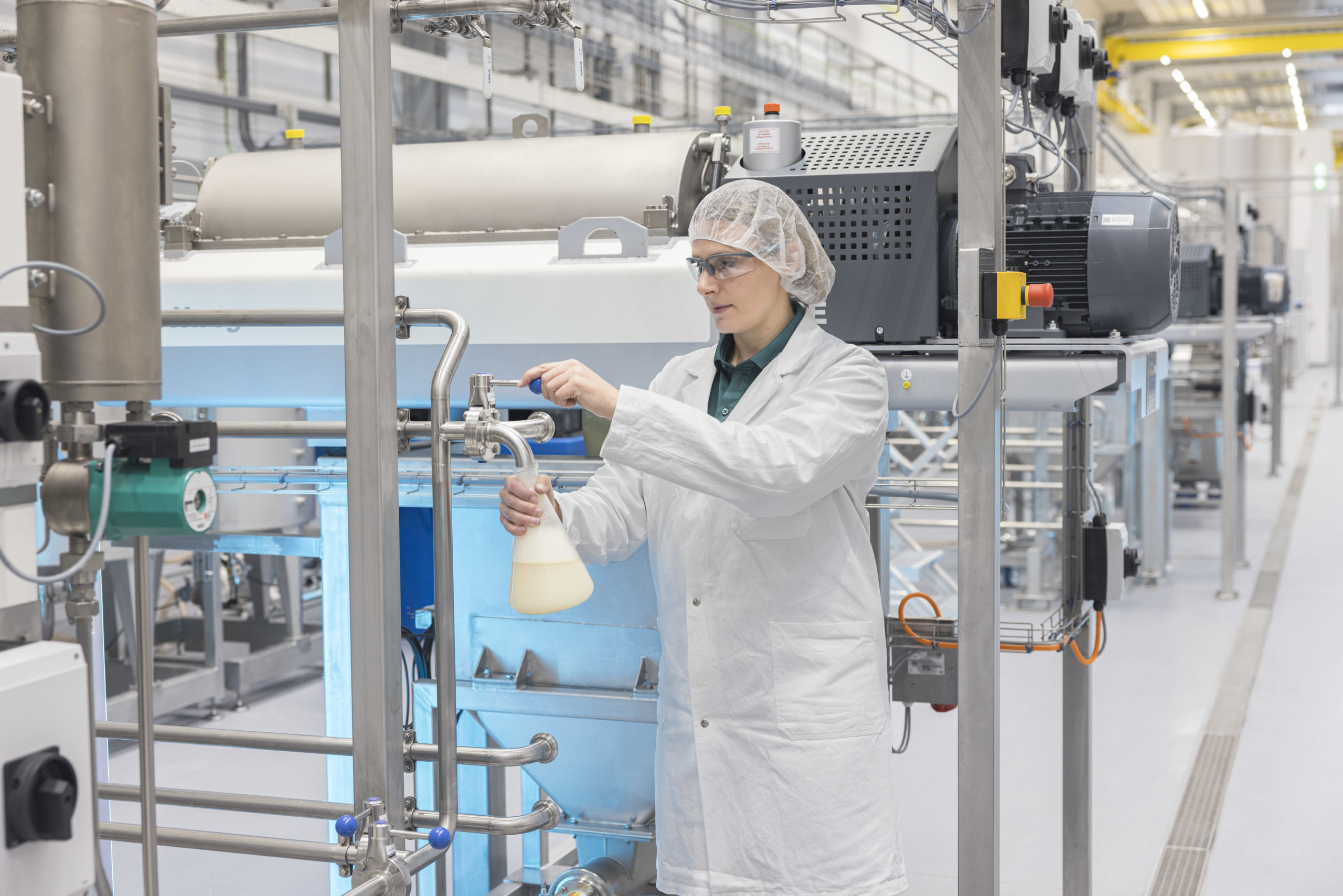
Sugar beet leaves, a by-product of sugar production, can be used as a nutrient source for growing microalgae, a source of local, sustainable plant protein. Microalgae could then be used to create sustainable meat and dairy substitutes.
Dairy co-products such as whey and buttermilk, complexed with vitamin E from wheat bran oil, improve the assimilation of this micronutrient. Such a prototype can be extended to a wide range of molecules of interest for health, opening the way to new nutritional complexes with high added value.
Commenting on the project, Serge Rezzi from the Swiss Nutrition and Health Foundation (SNHF) said: “This project has made it possible to bring together the various players involved in innovation throughout the agri-food sector. That’s something that can’t be done without an inclusive approach that includes all the players in the sector.”
Partners recognised that there was an opportunity to develop a predictive tool capable of making targeted recommendations to farmers by accurately calculating the nitrogen requirements of their crops. Thanks to multispectral imagery by drone, this method would make it possible to optimise the quantities of fertiliser products used while guaranteeing good yields and optimum crop quality.
The findings suggest that the application of these approaches can help to preserve the environment while optimising yields. The results of the study showed that the quantities of nitrogen applied were generally between -40% and +10% compared with fertilisation standards, while improving nitrogen efficiency without significantly reducing yields.
This project demonstrated how data and digital technologies can be used to strengthen efficiency in agriculture and the food industry more broadly. The project findings could offer significant benefits for farmers, both in terms of yield and sustainability, and in economic terms, by reducing the need for nitrogen fertilisers.
Commenting on the project, Aurélie Moulin-Moix from Grangeneuve said: “The project allows us to optimise nitrogen fertilisation, reducing farmers’ production costs and increasing their profits. Applying only the nitrogen that is needed also reduces Swiss agriculture’s dependence on world fertiliser markets. From an ecological point of view, fixing nitrogen from the air requires a lot of energy, thus, reducing the amount of nitrogen applied saves a lot of energy. What’s more, applying too much nitrogen leads to pollution in the form of greenhouse gases and contamination of groundwater by nitrates, which can make local water sources unfit for consumption.”
A total sum of CHF 200,000 is available to support innovative collaborative projects, with a strong potential for economic impact and on the sustainability of the agri-food sector. You can submit your project here by November 19. Or maybe you’re looking to develop a new solution? A total amount of CHF 45,000 is available to support ideas and projects in the start-up or prototyping phase. You can find out more and apply to benefit from an Innovation cheque here.
The page you requested could not be found. Try refining your search, or use the navigation above to locate the post.
The B Corp certification recognizes organisations that are outstanding in their efforts to drive a shift towards a more sustainable economy. To earn this certification, YASAI underwent a comprehensive evaluation of its social and environmental performance standards. With this certification, YASAI AG joins an exclusive group of 24 Swiss food industry companies, including Valley partners Ecorobotix, CleanGreens Solutions and Vivent, dedicated to these values. Globally, over 7,000 companies from various industries are eligible to display the B Corp logo.
“We belong to a new generation of companies that focus not only on profit but also on people and the planet,” says Mark E. Zahran, Co–CEO of YASAI. “We are thrilled about the B Corp certification, which helps us to implement and genuinely live our values.”
The B Corp certification is a significant signal for the industry and investors. YASAI AG has already secured Pre–Series A funding of CHF 10 million. With the upcoming Series A funding, YASAI plans to construct a large–scale vertical farm for herbs in the food sector. The product portfolio will continuously expand, including the production of plants for the cosmetics industry, creating additional market opportunities. Furthermore, in 2026, the world’s first integrated vertical farm in a residential neighborhood will open in Lymhof, Schlieren, as part of a project planned by Geistlich Immobilia, setting a global example.
B Corp (Benefit Corporation) is an international certification from the non-profit organization B Lab. It recognizes companies for their social and environmental standards. The certification evaluates the overall social, environmental, and economic performance of the company, focusing on public transparency and accountability.
The page you requested could not be found. Try refining your search, or use the navigation above to locate the post.
Back in 2019, Valley academic partners EPFL and ETH Zurich teamed up with fellow industry partners Bühler, Givaudan and Nestlé to launch the Future Food Initiative. The project aimed to expand research and education in the area of food and nutrition sciences and develop solutions that address the most significant and complex challenges facing our food systems. The program is co-managed by the Integrative Food and Nutrition Center at EPFL and the World Food System Center at ETH Zurich. The last call was addressed to professors and senior researchers at EPFL and ETH Zürich on the following topics:
Three brilliant researchers were awarded in the last call:
Prof. Bart Deplanke from EPFL’s Laboratory of Systems Biology and Genetics Project will be exploring the influence of dietary lipids at weaning on adipose tissue expandability. So what does this mean in practice?
In humans, body fat can vary widely, from normal levels between 10-30% to >70% in severe obesity. Research has shown that excess fat mass strongly correlates with metabolic, respiratory and cardiovascular complications. The team therefore anticipates that this work will provide us with nutrients that could be used to change the way that fat is stored in our bodies, potentially protecting against long-term metabolic ailments. They also hope that they will identify circulating molecular markers and/or microbiome signatures that can predict which individuals are more at risk of metabolic complications upon body weight gain.
Prof. Alexander Mathys from ETHZ will be developing a project exploring how pea and rapeseed protein can be refined using natural deep eutectic solvents. The project aims to develop a fundamental understanding of the extraction of anti-nutrients from two protein-rich agricultural byproducts – pea protein concentrate as well as rapeseeds and rapeseed press cake – to recover purified plant proteins using a novel class of solvents, food grade Natural Eutectic Solvents (NADES). The suggested research approach has the potential to significantly reduce the colour and bitter, sharp, and astringent off-tastes of plant protein as compared to aqueous extraction. The project will enable an innovative ‘green chemistry’ approach to refine plant proteins from underutilized protein-rich agricultural (by)products.
Prof. Randall J. Platt from ETHZ’s Laboratory for Biological Engineering will be elucidating mechanisms of probiotic function through transcriptional recording.
Trillions of microorganisms live in our gastrointestinal tract and play a crucial role in digesting, metabolizing, and releasing nutrients. The immense potential of the gut microbiome to modulate multiple aspects of health and disease, as well as its accessibility, has fueled an expanding global market for novel probiotics. This project aims to characterize mechanisms by which nutritional interventions influence the establishment and functional ability of probiotic bacteria in the gut in a non-invasive manner.
Each project will receive a maximum budget of 197’000 CHF and will run for a period of 2-4 years. We look forward to reporting back on their progress!
The page you requested could not be found. Try refining your search, or use the navigation above to locate the post.
Back in 2017 Pascal Bieri was working in the US and became aware of a number of meat substitutes that were suddenly appearing on supermarket shelves. Passionate about more sustainable diets and concerned about the devastating resource inefficiencies of animal agriculture, he eagerly tested them – but he was bothered by the long list of ingredients and additives on the back of the packs.
So he contacted his cousin, Lukas Böni, who just happened to be completing his professorship at ETH in Food Process Engineering, to see if they could do better. Pascal and Lukas were then joined by Eric Stirnemann, Judith Wemmer as well as Christoph Jenny, a finance expert who had already gained significant experience in the foodservice industry to make up the Planted dream team we know today.
Planted was officially founded as an ETH spin off in 2019 with the mission to radically change the way meat is perceived, produced and consumed and inspire a shift from eating animal proteins to eating plant proteins, enabling meat eaters to make sustainable, healthy and tasty everyday choices.
Today, the company is a leading Swiss scale-up with over 200 employees, producing juicy plant-based meat with only natural ingredients by combining proprietary extrusion and fermentation technologies. After doubling their production capacity and securing CHF 70 million in Series B funding in autumn 2022, their broad range of products – from their classic planted.chicken to pulled “pork”, kebab, bratwurst and schnitzel – is now available on over 6000 retail shelves and over 5000 restaurants in seven European countries.
So how did they do it? Here at the Valley, we’ve always admired their ability to build and leverage the strength of their brand and establish key partnerships with retailers, foodservice partners and respected culinary figures to extend their reach. But that’s just our take.
Here are Christoph’s personal reflections on what he’s learnt while scaling Planted to where it stands today over the past four years and surely beyond that in the near future:
Learning 1: Build a distinctive brand and focus on positive stakeholder relationships
One of the key learnings while scaling Planted was the importance of building a distinctive brand and cultivating positive relationships with all stakeholders involved, including consumers, clients, media, partners, and more. We recognized that it is much more impactful when others speak positively about the brand and its products than when the company or we as Executive Board do it ourselves.
This involved engaging with foodservice partners through authentic storytelling, transparent communication, and building trust. We actively listen to our customers, address their concerns, and incorporate their feedback into product improvements. By delivering a superior product and valuing and nurturing its relationships with consumers, Planted fostered brand loyalty and advocacy, leading to positive word-of-mouth recommendations and a growing customer base.
We focused on community building and earned media, fostering strong relationships with clients, media outlets, partners, and other stakeholders. By consistently exceeding expectations, Planted earned the trust and support of these key players in the industry. Positive testimonials from clients and media coverage helped to boost brand credibility and attract new opportunities for collaboration and growth. Building a love brand not only enhanced Planted’s reputation but also contributed to its success in scaling and expanding its market reach.
Another crucial learning for Planted was the importance of attracting the best talent to build something truly unique. We recognized that exceptional talent is a critical driver of success and a key factor in achieving its ambitious goals.
To create a truly unique product and brand experience, Planted sought out hungry individuals with diverse backgrounds and expertise. We focused on hiring professionals who shared the company’s vision and were passionate about creating sustainable, healthy, and tasty products that ultimately need to be better than meat in order to reach the mass market and have a true impact. It was important that team members reasoned from first principles, rather than accepting the status quo. By assembling a team of top talent, Planted was able to leverage their collective knowledge and skills to drive innovation and differentiate themselves in the market.
We tapped into the Swiss ecosystem, known for its strong educational institutions and talent pool, to find the right individuals with the necessary expertise. The company attracted professionals in fields such as food process engineering, R&D, marketing, and finance, who brought their unique perspectives and contributed to Planted’s success.
We recognized the importance of investing in our production footprint to achieve the desired quality at the right price. Rather than relying on external manufacturers or suppliers, we made the strategic decision to build our own production facilities.By having control over the entire production process, we can ensure consistent quality, efficient operations, and adherence to our strict ingredient standards. This allowed the company to deliver products that met consumer expectations and provide a superior taste experience. Building our own production facilities also provided Planted with the flexibility to scale production capacity according to market demand, minimising potential supply chain disruptions and enabling faster growth.
Our complete focus on product quality, short ingredients lists, and continuous investment in R&D and innovation contributed to the development of products that were repeatedly purchased by consumers. By prioritising taste, healthiness, and simplicity, we created a strong product foundation that resonated with consumers and contributed to their loyalty and repeat purchases. This emphasis on product excellence, supported by ongoing research and innovation, helped Planted establish a strong market presence and achieve sustainable growth in the alternative proteins industry.
We quickly recognized the importance of reaching consumers wherever meat is consumed, not just limiting ourselves to retail. This led to the adoption of a multi-channel distribution strategy, targeting both the foodservice and retail/D2C (Direct-to-Consumer) sectors.
By offering our meats in foodservice establishments such as restaurants, cantines, cafes, and catering services, we tapped into a significant portion of the market that is traditionally meat-focused. Simultaneously, we recognized the potential of direct consumer engagement through retail and D2C channels. By expanding our product availability to retail shelves and implementing D2C strategies, such as online ordering and delivery services through our own European wide webshop, we ensured that our products were accessible to consumers at their convenience. This omni-channel approach allowed us to maximise market reach and capture a larger share of the alternative proteins industry.
The page you requested could not be found. Try refining your search, or use the navigation above to locate the post.
The Greater Zurich Area already accommodates a Life Sciences cluster of startups and innovative companies with an impressive concentration of know-how and output. At the same time, innovation in life sciences is often primarily driven by startups which have spun off from universities. Once the freshly incorporated companies leave their labs and offices on campus, they often have to invest a signficant amount of time and money looking for an appropriate new home.
The House of Lab Science has now teamed up with the Valley in Kemptthal to solve this problem by providing outfitted and serviced bio and food labs in The Valley, tailor made for food and biotech startups. This means that startups can move in and start being productive on day one.
In a first wave, the owners of The Valley, Mettler2Invest and Motorworld, are investing in 1’500 sqm to equip the building with biological laboratories, infrastructure rooms, and coworking office spaces and will rent these two floors out to House of Lab Science which will find the right startups to move in and develop the next generation of foodtech and biotech innovations. Subject to a successful first phase, another 1’500 sqm – an additional two floors – will be provided in the same building, significantly boosting the life sciences startup scene in Switzerland.
“Our mission at the House of Lab Science is to take care of our tenants’ non-core activities, for instance, lab, facility, or ICT management by, for example, renting out lab managers whom House of Lab Science employs in its innovation parks. Like this, the members of our community can free their mind and focus only on the science, on developing innovations, and on successfully growing their company. However, since House of Lab Science is a startup itself, we rely on strong and like-minded partners. I am therefore delighted to have found such a partner with Mettler2Invest and Motorworld. With the real estate developer Mettler2Invest, we are already looking into other additional real estate projects in Winterthur and elsewhere that could be transformed into an innovation park operated by the House of Lab Science. The different House of Lab Science locations, including the pilot house in Hombrechtikon, will be closely connected through our proprietary House of Lab Science Community Platform which enables the booking of services and tenants to get in touch with each other, no matter where they are based. These activities would allow us to roll out a compelling concept across Switzerland and share it with companies and other stakeholders in different locations so that Swiss life sciences is fit for the future.” — Dr. Christian Hugo Hoffmann, Co-Founder an CEO at the House of Lab Science AG.
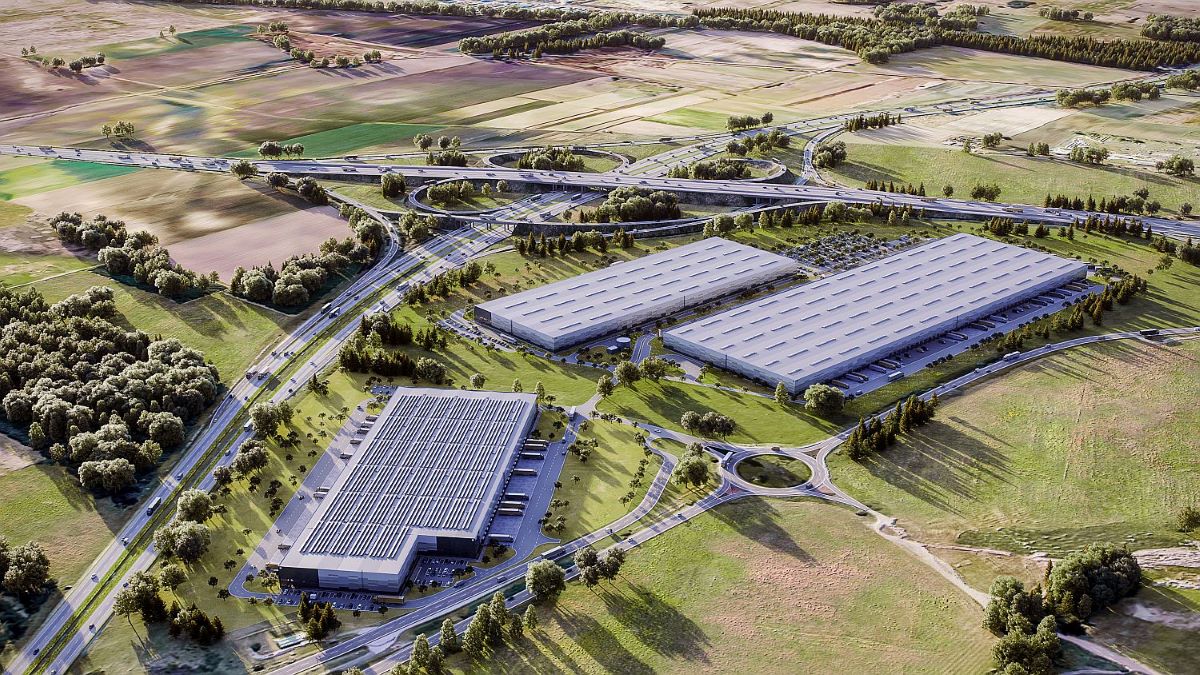
The Valley in Kemptthal is particularly well suited as a location for the next House of Lab Science, as the new building will be at the centre of an existing and already thriving ecosystem that includes SFNV partners Givaudan, Bühler and planted. Easily accessible by all means of transport, the Kemptthal Valley is located in the heart of the Greater Zurich Area between the cities of Zurich and Winterthur. The listed industrial buildings are being extensively renovated to create an inspiring and unique microcosm. Together with additional new buildings, which will be architecturally integrated into the existing historic buildings, approximately 100,000 m2 of space will be created to be used by a wide range of industries.
The project owners and developers are keen to build on the industrial history of the former Maggi site in a way that reflects the requirements of 21st century companies and startups.
“In keeping with Julius Maggi’s pioneering spirit, a new and modern working environment is being created behind the historic buildings. In a colourful mix of diverse industries, the legacy of the area’s founder is being carried into the future with an increasingly large and significant food industry research and development cluster. House of Lab Science, with its dedicated foodtech laboratory landscape, fits perfectly into this environment and we are very much looking forward to working with them!” — Mick Gehrig, Site Manager Metter2Invest.
House of Lab Science aims to be the ultimate destination for serviced laboratory space in Switzerland. They believe that laboratory space should be ready-to-move-in, affordable, certified, fitted, and well-equipped, making it easy for organisations to focus on what matters and advance their business. To find out more visit their website.
The Valley Kemptthal is an inspiring microcosm in the Greater Zurich Area where historic industrial buildings meet innovative new buildings to create a unique space for diverse industries. You can find out more here.
The page you requested could not be found. Try refining your search, or use the navigation above to locate the post.
Climate change, population growth, and loss of arable land threaten the resilience of global and local food systems. Recent events – from the COVID pandemic to the war in Ukraine – have further exacerbated pressures on agricultural value chains, leading to a global rise in food prices.
The opportunity
Swiss start-up YASAI is on a mission to tackle these challenges and democratize access to local, high-quality food, produced sustainably thanks to its soilless, vertical farming system.
Back in 2021, the YASAI team realized that if vertical farms are to become a key part of the smart cities of the future, we need to invest in optimizing the sustainability, quantity, quality, and profitability of operations today. They saw that much of the knowledge we need to do this is readily available, but it’s spread across several companies and stakeholders. So they teamed up with experts at fenaco, Agroscope, and the Zurich University of Applied Sciences to kick off a 3-year partnership project, supported by an investment of close to 1M Swiss Francs sourced from industrial partners and Innosuisse.
Project partners identified four fields of research that would help to explore vertical farming’s potential to secure local food production in the future:
In the first year of the project, partners tested different growing substrates that would reduce the farm wastes, different varieties of selected herbs to find the most optimal varieties for indoor cultivation, as well as different packaging options that would make packaging more sustainable and at the same time, attractive for the customer. In this context, packaging made of leftover basil plants had been designed and might be a potential solution further down the development process.
The project will now run until March 2025. The YASAI team will use the findings to inform how they develop their operations.
Commenting on the collaboration, Eldrid Funck, Head of Brand and Marketing from YASAI said: “This project enables us to improve on various levels. It’s a great opportunity to collaborate with professional research institutes and integrate their findings perpetually. As a startup, we don’t have the resources to do research on this scale.”
Dr. Christoph Carlen from Agroscope added: “Optimising this production system is very important on the road to profitability and sustainability. This involves finding the most suitable plants and varieties for vertical farming, determining the optimal management of the plants, and robotizing harvesting and packaging as much as possible”.
Daniel Schwab, Project Leader for vertical farming at fenaco went on to say: “The key to profitability lies in scalability and automatization of the processes. We currently produce relatively small volumes and selected products but aim at increasing these step by step”.
Dr. Zala Schmautz, Project Leader said: “With all the current problems that we are facing from climate change to resource availability, local food production independent of outside climate will be even more important in the future. And if at the same time, we can save on space by growing it vertically, reuse the resources such as heat, and make it more sustainable even better!”
The page you requested could not be found. Try refining your search, or use the navigation above to locate the post.